Hey there! You know, in the constantly changing world of construction and farm equipment, the Bucket Loader really stands out because of its versatility and efficiency. As we get closer to 2026, folks around the globe are eager to find the best models out there. Big names like Caterpillar, John Deere, and Komatsu have been pushing the envelope with cool new features that boost productivity. But here’s the thing— not every model’s perfect for every job. It’s super important to know exactly what you need. Are you after something compact or a real heavy-duty beast? The model you pick can totally affect how it performs and how much you’ll spend on maintenance. Sometimes, even the popular models don’t quite fit those unique tasks, so digging into specs really helps reveal what trade-offs you might be facing. When we look at the top Bucket Loader models for 2026, it’s key to point out what makes each one special—like load capacity, how easy it is to maneuver, and fuel economy. Of course, each one’s got its quirks and limitations too. Keeping an open mind is the way to go so you can choose what’s best for your specific needs without any surprises down the road.
2026 Bucket Loader Market Overview: Trends and Growth Forecasts
The bucket loader market is on an upward trajectory as we approach 2026. Recent reports indicate a projected growth rate of 5.2% annually. Increased infrastructure investments are driving demand in various sectors. Construction, agriculture, and mining are crucial areas where bucket loaders are frequently employed. These machines are vital for enhancing productivity and efficiency.
Technological advancements are also shaping the market landscape. Innovations such as telematics integration and eco-friendly engines are becoming standard. Many buyers prioritize equipment that minimizes environmental impact. This shift reflects a growing concern about sustainability and operational costs. According to industry analysis, about 60% of operators now seek models with fuel-efficient features.
However, challenges remain. Supply chain disruptions can hinder timely access to parts and machines. Buyers must navigate fluctuating material costs that impact pricing strategies. Awareness of these hurdles can aid in more informed purchasing decisions. An understanding of local market dynamics is also essential for global buyers.
2026 Best Bucket Loader Models for Global Buyers
| Model |
Engine Power (HP) |
Bucket Capacity (cu yd) |
Operating Weight (lbs) |
Fuel Type |
Price Range (USD) |
Market Growth (%) |
| Model A |
85 |
1.5 |
8000 |
Diesel |
$35,000 - $40,000 |
5 |
| Model B |
110 |
1.8 |
9500 |
Diesel |
$42,000 - $50,000 |
6 |
| Model C |
75 |
1.2 |
7200 |
Diesel |
$30,000 - $35,000 |
4.5 |
| Model D |
125 |
2.0 |
11000 |
Diesel |
$50,000 - $60,000 |
7 |
Top 5 Leading Bucket Loader Manufacturers and Their Market Share
The bucket loader market is growing rapidly. Recent reports suggest a compound annual growth rate (CAGR) of about 5.8% from 2021 to 2027. This signals increased demand for efficient machinery. In such a competitive landscape, knowing the market share of leading manufacturers is crucial for global buyers.
Top manufacturers dominate the sector with varying strategies. They balance Loader Bucket Capacity, technology, and cost-effectiveness. Efficient machines often boast capacities exceeding 4 cubic meters. However, some models struggle with reliability, raising concerns among buyers. Reports indicate that customer satisfaction drops when performance lags.
Market share varies widely, as newer companies enter the scene. Established brands typically hold about 60% of the overall market. Emerging players often introduce innovative designs, yet many face challenges in scaling production. Fluctuation in demand affects pricing and availability. Buyers should consider both established and emerging brands for optimal choices.
2026 Best Bucket Loader Models - Market Share Overview
Key Features to Consider When Choosing a Bucket Loader in 2026
When selecting a bucket loader in 2026, several key features are essential. One vital aspect is the loader's engine performance. Look for models with robust horsepower and optimal fuel efficiency. These attributes ensure that the loader can tackle heavy-duty tasks without excessive fuel costs.
Another consideration is the lifting capacity. Depending on your projects, you may need a loader that can handle a significant weight. Ensure the model has a strong hydraulic system, allowing it to lift and move heavy materials with ease. A durable bucket design is equally important. Check for reinforced edges and materials resistant to wear and tear.
Tips: Always test-drive a loader if possible. This will provide a real feel for its capabilities. Make notes on how it handles various terrains and loads. Pay attention to visibility from the operator's seat; good visibility enhances safety and efficiency. Lastly, consider the loader's maintenance requirements. Regular upkeep is crucial for longevity, impacting your total cost of ownership. Evaluate warranties and service options provided by manufacturers; reliability often hinges on these aspects.
Comparative Analysis: Electric vs. Diesel Bucket Loaders
The debate between electric and diesel bucket loaders, specifically Lhd Loaders, has gained momentum in recent years. Electric models are often praised for their lower operating costs and environmental benefits. Reports indicate that electric loaders can reduce energy costs by up to 50% compared to their diesel counterparts. Additionally, electric engines typically have fewer moving parts, which can translate to lower maintenance expenses.
However, diesel bucket loaders still dominate in heavy-duty applications. They offer superior power and range. According to industry data, diesel models can operate continuously for longer periods without the need for charging. This factor is crucial on large job sites. Operators sometimes express frustration with electric loaders’ limited battery life.
Both types have their advantages. Electric bucket loaders are quieter and emit no exhaust. Yet, these models may face challenges in extreme conditions. Many industry experts suggest that a hybrid approach could be the future solution. Balancing performance and sustainability could appeal to both operators and environmental advocates. As the industry evolves, a reflective approach will be essential to maximize the benefits of both electric and diesel Lhd Loaders in various applications.
Global Regions Dominating Bucket Loader Sales: A Market Breakdown
The global bucket loader market is experiencing rapid growth, driven by demand across various regions. In North America, a substantial 40% of the market share is attributed to the construction and agriculture sectors. This growth is underpinned by ongoing infrastructure projects, which have surged by 15% since last year. In Europe, innovations in eco-friendly technology are shifting buyer preferences. About 30% of bucket loader sales now emphasize sustainability. This change reflects a growing awareness of environmental impact.
Asia-Pacific is emerging as a strong competitor, with forecasts indicating a 25% increase in sales over the next three years. Countries like China and India are investing heavily in mechanization for agriculture. The region's focus on modernization leads to increased demand for models, including the Dump Loader variant, which offers both efficiency and cost-effectiveness. Despite these advancements, there are challenges ahead. Supply chain disruptions can affect availability, and buyers often face difficulties in selecting models that match their specific needs.
Investors are keen to tap into these regional markets. However, the diverse preferences pose risks for manufacturers. Ensuring compliance with various regulations adds complexity to operations. Understanding regional dynamics is essential for success in the bucket loader sector. Balancing innovation with user needs remains a critical point of reflection.
Technological Innovations in Bucket Loaders for Enhanced Efficiency
In the rapidly evolving world of construction machinery, bucket loaders are witnessing significant technological innovations. These advancements focus on enhancing efficiency and performance in various working conditions. Recent developments include improved hydraulic systems and advanced engine technologies. These innovations allow bucket loaders to operate more powerfully while consuming less fuel.
Tips: Always evaluate the specifics of the job before selecting a model. Understand the terrain and load requirements. A well-matched Tire Loader can make a significant difference in productivity. Consider maintenance needs as well. A neglected loader can incur extra downtime and costs.
Moreover, integration of smart technology is reshaping how operators manage tasks. Features like telematics provide real-time data analytics. This information can guide operators to optimize usage and reduce wear. It's essential to note that while these tools increase efficiency, they also demand users to adapt quickly. Training becomes crucial as technology advances. It’s worth acknowledging, too, that even the best machine can face limitations. Understanding these boundaries remains crucial for maximizing potential.
Customer Reviews and Preferences: Insights from Bucket Loader Users
When exploring the insights from bucket loader users, it's clear that preferences vary significantly. Many operators appreciate models with enhanced visibility and ergonomic controls. This feedback stems from daily use in diverse environments, emphasizing the need for comfort and safety.
Customer reviews highlight specific features that matter. For instance, ease of maintenance ranks high among user priorities. Operators often face challenges with complex systems that require frequent attention. Simplicity in design can enhance productivity. Additionally, some users express frustration with fuel efficiency. They notice that certain models consume more fuel than expected, impacting overall operating costs.
Another point of discussion among users is versatility. Many bucket loader operators value machines that adapt to different tasks. However, not all models perform well in varied applications. Some users reported that their machines struggled in specific conditions, leading to performance issues. These insights underscore the importance of real-world testing and user experience in selecting the ideal model.
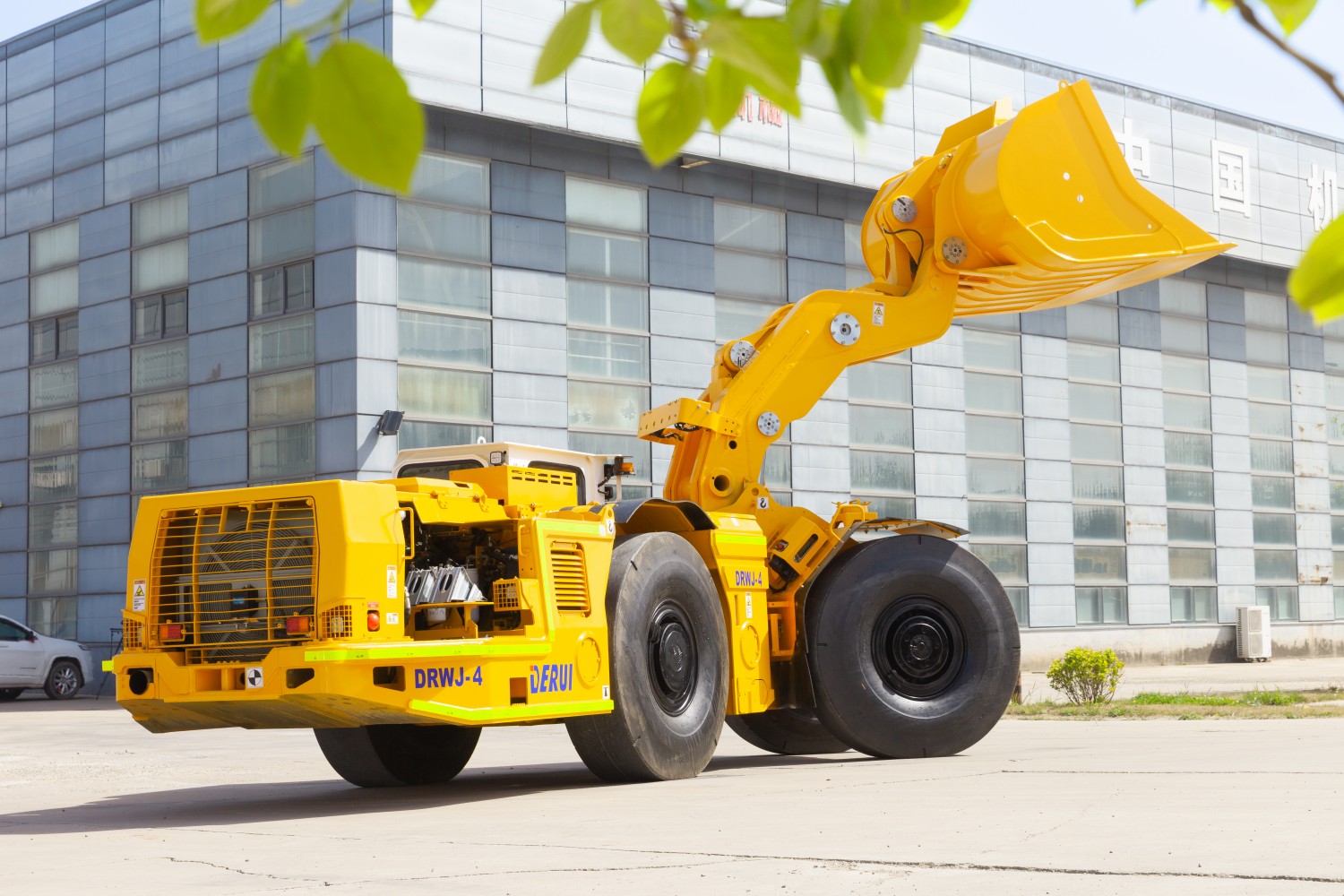
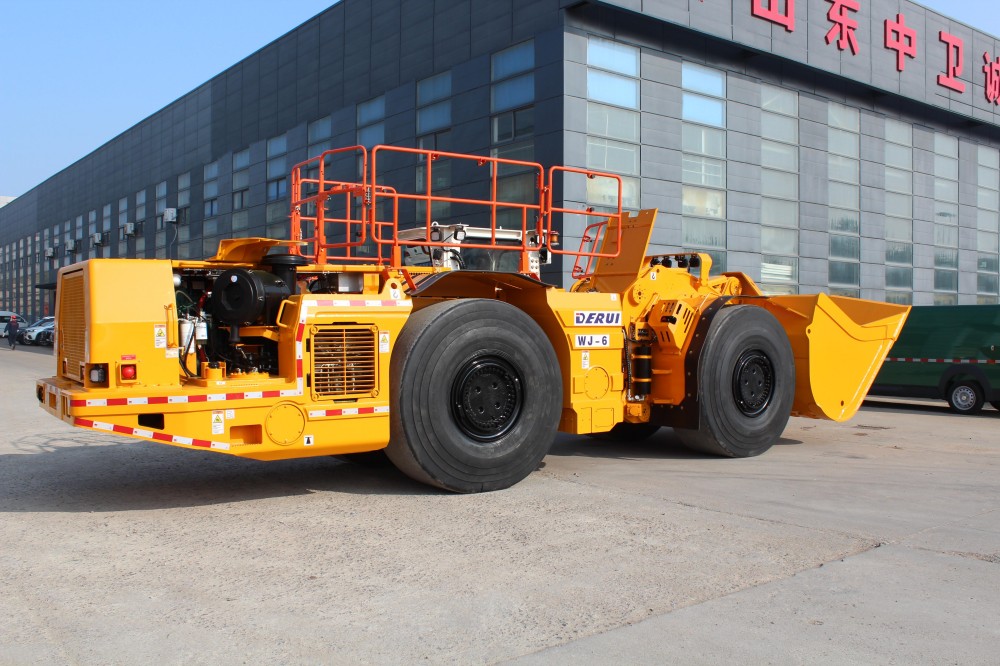
Innovative Underground Diesel LHD Loaders: The China DRWJ-2 Solution for Efficient Small to Medium Mining Operations
The demand for efficient machinery in small to medium-sized mining operations has never been more critical, especially in the context of rising global mineral requirements. The DRWJ-2 Underground Diesel LHD Loader stands out as an optimal solution tailored for the distinct challenges of such environments. With a payload capacity of under 4 tons, this innovative loader is engineered for the confined spaces of narrow mine tunnels, making it ideal for small-scale underground activities.
Utilizing state-of-the-art hydraulic technology, the DRWJ-2 features the Sauer Danfoss 90-Series variable displacement pumps and hydraulic motors. This advanced configuration not only improves operational efficiency but also significantly prolongs the lifespan of the loader's vehicle and axle components. According to industry reports, using efficient load-haul-dump machines can lead to a 30% increase in ore handling performance, a statistic that underscores the importance of selecting the right equipment for mining operations.
Moreover, as the global mining industry continues to evolve, harnessing innovative solutions like the DRWJ-2 is vital for maximizing productivity while minimizing operational costs. The integration of high-performance hydraulic systems in such loaders is pivotal, enhancing maneuverability in tight spaces and ensuring reliability in various mining conditions. This aligns with broader industry trends that prioritize sustainability and efficiency in mining practices, ultimately leading to greater resource recovery and reduced environmental impact.
FAQS
: The bucket loader market is expanding due to increased demand for efficient machinery, with a CAGR of 5.8% projected.
Knowing market share helps buyers make informed choices, especially in a competitive landscape with various manufacturers.
Aim for models with capacities over 4 cubic meters, but remember that some may struggle with reliability.
Robust horsepower and fuel efficiency help ensure the loader can handle heavy tasks without high fuel costs.
Test-drive the loader to understand its handling capabilities and note visibility from the operator's seat.
Regular maintenance is key to longevity. Neglected loaders can lead to downtime and increased costs.
Innovations like improved hydraulic systems and smart technology enhance performance but require operators to adapt quickly.
Yes, emerging brands often introduce innovative designs, but they may face challenges in scaling production and reliability.
A strong hydraulic system is critical for moving heavy materials effectively.
Telematics provide real-time data, helping optimize usage and reduce wear, but require user adaptation for best results.
Conclusion
The article "2026 Best Bucket Loader Models for Global Buyers" provides a comprehensive overview of the bucket loader market, highlighting key trends and growth forecasts for the upcoming year. It emphasizes the importance of understanding market dynamics and features that cater to buyer preferences when selecting a bucket loader.
Leading manufacturers and their market shares are discussed, along with a comparative analysis of electric versus diesel models, showcasing the advantages and efficiencies of each. The article explores various global regions that dominate bucket loader sales, encouraging buyers to consider geographical factors in their purchasing decisions. Furthermore, it addresses recent technological innovations aimed at enhancing the efficiency of bucket loaders, along with customer insights that reveal user preferences and reviews, helping prospective buyers make informed decisions.