Leave Your Message
Picking the right top-type of Loading Trucks for 2026 isn’t just about size or engine power. It’s way more nuanced. If you're sourcing globally, you’ve got to consider what kind of equipment fits your cargo, the roads you'll drive on, the climate, the labor conditions, and how easy it is to keep the truck maintained. For example, a city distributor might prefer a small box truck with a hydraulic tail lift—it’s convenient and nimble. On the other hand, a construction company probably needs something tough, like a dump truck with reinforced suspension to handle rough terrains. Cold-chain operators, of course, need insulated bodies plus reliable refrigeration and clear temperature records to keep everything fresh.
Professor Alan McKinnon, a well-respected expert in freight transport, once said, “Freight transport is a derived demand.” Basically, what that means is choosing the best Loading Truck isn’t done in a vacuum. It has to support your entire supply chain.
In this guide, we’ll go over different types of trucks—box trucks, flatbeds, curtain-side trucks, dump trucks, refrigerated units, tankers, and truck-mounted cranes. We’ll look at key points like payload capacity, loading height, turning radius, fuel efficiency, safety stuff, and how easy it is to get service support. Big brands like Volvo Trucks, Daimler, Isuzu, and Hino do bring different strengths to the table across various markets, but honestly, no brand can beat putting the truck through its paces in your local conditions.
Pay attention to the details—they really matter. For instance, a low loading deck can save you some serious handling time. Having a wide service network can prevent costly downtime during repairs. Using telematics might give you better route visibility, but if your drivers aren’t trained properly, those benefits kind of fall flat. And yeah, electric trucks seem like the perfect fit for city routes, but charging capacity is still a big issue in many areas—so you might need to rethink some assumptions there.
There’s no one-size-fits-all winner here. Even a truck with all the bells and whistles can let you down if roads, loads, or maintenance habits change. The key is making reliable decisions based on verified specs, real-world testing, overall cost analysis, and advice from trusted distributors. This article gives you a practical way to compare leading Loading Trucks in 2026, but keep in mind—you can’t always predict exactly how they’ll perform in the real world.
Loading trucks are road vehicles designed to carry, collect, lift, or discharge materials. Their classification starts with the loading method. Rear loaders compact waste through a rear hopper, while side loaders use a lateral arm beside the curb. Flatbed units support pallets, steel, or machinery. Box bodies protect packaged goods, and dump bodies release loose materials by hydraulic tipping. Hook-lift trucks exchange containers without unloading the chassis.
Weight and operating environment create another useful classification. Under the UNECE vehicle framework, N2 vehicles exceed 3.5 tonnes but remain within 12 tonnes. N3 vehicles exceed 12 tonnes. Buyers should also check axle limits, body volume, turning radius, and payload after installing cranes or compactors. Those details change real performance. Loader Loading Trucks may look similar in a brochure, yet a narrow urban chassis behaves differently on a muddy construction route.
Powertrain is becoming a practical category. The International Energy Agency reported strong global growth in electric truck sales during 2023, led mainly by China. The report also shows that heavy trucks still face charging and range challenges. That evidence supports electric options for fixed urban routes, but diesel or hybrid units may remain more flexible for remote work. A clean classification can still mislead. Site tests, loading cycles, and local service access matter more than a perfect specification sheet. Small oversights become expensive.
A practical classification of common loading trucks by loading method, operating environment, typical capacity, mobility, and buyer application.
| Loading Truck Type | How It Is Classified | Primary Loading Method | Typical Rated Capacity | Typical Reach or Working Height | Best-Fit Applications | Main Advantages | Key Buying Considerations |
|---|---|---|---|---|---|---|---|
| Truck-Mounted Crane Loader | Hydraulic loading truck with a crane mounted behind the cab or at the rear of the chassis. | Hydraulic boom, hook, lifting forks, or grab attachment. | Approximately 2–20 tonnes at short working radii. | Approximately 6–25 m, depending on boom configuration. | Construction materials, steel products, utility equipment, precast components, and general cargo. | Combines transport and lifting functions; suitable for loading and unloading without a separate mobile crane. | Check load charts, outrigger footprint, chassis payload, boom sections, road regulations, and stability on uneven ground. |
| Truck-Mounted Forklift | Compact forklift carried on the truck and deployed at the delivery site. | Front-mounted forks operated by a hydraulic mast. | Approximately 1.5–5 tonnes. | Approximately 2–6 m lift height. | Palletized goods, building supplies, agricultural products, landscaping materials, and remote deliveries. | Improves offloading flexibility and reduces dependence on customer-side loading equipment. | Evaluate attachment weight, remaining truck payload, ground clearance, tire type, mast height, and operator training requirements. |
| Hooklift Truck | Interchangeable-body truck classified by a hydraulic hook system that loads and unloads detachable containers. | Sliding hydraulic frame and hook arm. | Approximately 8–30 tonnes of container or body load. | Usually designed for ground-level container exchange. | Waste collection, recycling, aggregates, construction debris, forestry materials, and modular cargo bodies. | One chassis can handle multiple bodies, improving fleet utilization and reducing turnaround time. | Confirm container dimensions, hook height, body locking system, hydraulic cycle time, axle limits, and local road-legal gross weight. |
| Roll-Off Container Truck | Heavy-duty container carrier that rolls large open-top containers onto rails or a tilting frame. | Hydraulic cable, chain, or telescopic lifting mechanism. | Approximately 10–35 tonnes, subject to chassis and road limits. | Ground-level loading with a long rear loading angle. | Municipal waste, scrap metal, demolition material, soil, bulk recyclables, and large industrial loads. | Handles high-volume materials and allows containers to remain at job sites for later collection. | Requires adequate loading space; inspect container compatibility, rear overhang, tipping stability, hydraulic maintenance, and axle distribution. |
| Side Loader Truck | Collection truck classified by a side-mounted lifting arm or grab used to handle bins or containers. | Automated side arm, grabber, or hydraulic lifting cradle. | Commonly handles bins from about 120–1,100 L; body payload varies by chassis. | Typically lifts containers from ground level to the top of the collection body. | Residential waste collection, commercial refuse routes, and narrow or repetitive collection areas. | Can support single-operator collection and efficient repetitive loading. | Consider curbside clearance, arm reach, bin geometry, route density, body compaction ratio, visibility, and safety interlocks. |
| Rear Loader Compactor Truck | Waste-loading truck with a rear hopper and compaction mechanism. | Manual or semi-automated hopper loading followed by hydraulic compaction. | Common body volumes range from approximately 8–25 m³. | Rear hopper height is generally designed for container or bagged-waste loading. | Municipal solid waste, commercial refuse, food waste, and dense urban collection routes. | High collection efficiency and improved payload utilization through compaction. | Review hopper capacity, compaction cycle, body corrosion protection, wash-down requirements, leachate control, and worker safety. |
| Front Loader Waste Truck | Large refuse truck classified by front-mounted forks that lift standardized commercial containers. | Hydraulic front forks and overhead container tipping. | Often uses containers of approximately 2–8 m³; body volume commonly about 15–35 m³. | Designed to lift containers above the cab into the collection body. | Large commercial waste containers, industrial sites, shopping areas, and high-volume refuse routes. | Fast container emptying with limited manual handling. | Requires sufficient overhead clearance; verify container dimensions, fork spacing, route width, visibility, and gross vehicle weight. |
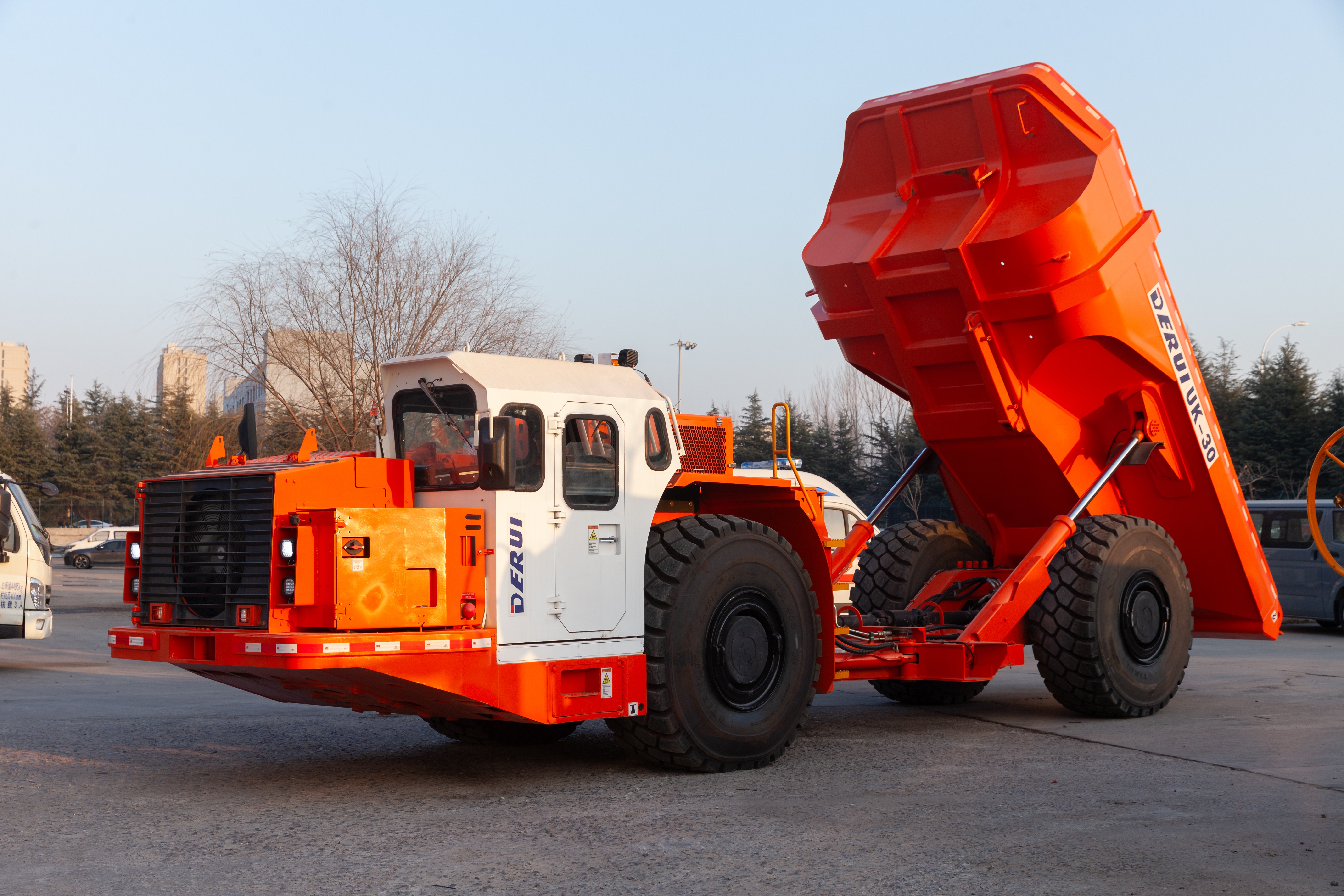
| Tipper Truck with Loading Equipment | Material-hauling truck equipped with a tipping body and, in some configurations, a loader crane or self-loading device. | Hydraulic tipping body, with optional crane, grab, or lifting attachment. | Approximately 5–35 tonnes of payload, depending on vehicle class. | Tipping body unloads by hydraulic elevation; crane reach varies by configuration. | Sand, gravel, soil, demolition debris, agricultural materials, and construction-site logistics. | Efficient bulk unloading and suitability for rough work environments. | Check body material, tipping angle, payload after adding equipment, center of gravity, tailgate design, and off-road traction. |
| Loader Crane Timber Truck | Forestry loading truck configured with a hydraulic crane and grapple for logs and timber. | Grapple crane mounted behind the cab or at the rear. | Approximately 10–30 tonnes of timber payload, depending on chassis and legal limits. | Typically about 8–20 m hydraulic reach. | Logs, pulpwood, biomass, sawmill supply, and forestry-road operations. | Designed for repetitive self-loading and unloading of irregular, heavy materials. | Evaluate crane lifting moment, grapple volume, bolsters, deck length, ground clearance, all-wheel drive, and stability on slopes. |
| Platform Truck with Tail Lift | Flatbed or box truck classified by a powered rear platform for pallet and wheeled-load handling. | Hydraulic or electro-hydraulic tail lift. | Tail lifts commonly range from approximately 750–2,500 kg capacity. | Platform travel generally covers the ground-to-deck height. | Pallets, appliances, packaged goods, retail distribution, and deliveries without a loading dock. | Provides controlled loading at locations without forklifts or raised docks. | Confirm lift capacity at the platform edge, platform size, loading cycle, battery system, deck height, and roadside operating space. |
| Belt Loader Truck | Special-purpose loading vehicle using a powered conveyor belt, commonly used for loose items or aircraft baggage. | Adjustable conveyor belt with powered loading surface. | Capacity is commonly measured by throughput rather than lifting tonnage; often about 1,000–2,000 items per hour. | Adjustable conveyor height, commonly reaching vehicle or aircraft cargo-door level. | Airport baggage, parcel handling, small packages, and loose cargo transfer. | Reduces manual lifting and supports continuous item flow into or out of transport equipment. | Assess belt width, conveyor length, height range, load-per-item limit, weather protection, turning radius, and airport or site safety rules. |
| Pallet Loader Truck | Specialized high-lift loading truck for transferring standardized cargo pallets between ground level and vehicle or aircraft decks. | Powered platform, scissor lift, roller deck, or hydraulic cargo table. | Often approximately 3–15 tonnes of cargo, depending on deck and vehicle class. | Designed to match the loading deck height of the target vehicle or aircraft. | Air cargo, logistics hubs, distribution centers, and heavy palletized freight. | Efficiently handles standardized unit loads and reduces forklift transfers. | Check platform height, roller compatibility, pallet dimensions, load restraint, weather protection, and required operating clearance. |
| Low-Loader with Loading Ramps | Low-deck transport truck classified by a lowered platform and ramps for self-propelled or wheeled equipment. | Hydraulic, folding, or removable ramps; some configurations include winches. | Approximately 20–100 tonnes or more for specialized heavy-haul configurations. | Low deck height improves loading angle and overall transport height. | Excavators, loaders, road machinery, agricultural machinery, and industrial equipment. | Allows wheeled or tracked machines to drive directly onto the deck. | Review ramp capacity, deck length, axle groups, turning radius, ground clearance, tie-down points, permits, and route restrictions. |
| Electric Loading Truck | Loading truck classified by an electric drivetrain or electric working equipment, including compact delivery and waste vehicles. | Electric hydraulic system, tail lift, compactor, crane, or other powered loading equipment. | Varies widely; commonly suited to light- and medium-duty urban payloads. | Working height or reach depends on the attached loading mechanism. | Urban deliveries, low-emission zones, municipal services, indoor logistics, and short repetitive routes. | Lower local emissions, reduced drivetrain noise, and strong suitability for stop-start operation. | Assess battery capacity, charging time, usable payload, ambient-temperature effects, charging infrastructure, and duty-cycle range. |
Note: Specifications are representative industry ranges for preliminary comparison. Actual capacity, dimensions, working reach, road legality, and performance vary according to chassis class, body design, attachment configuration, operating conditions, and local regulations.
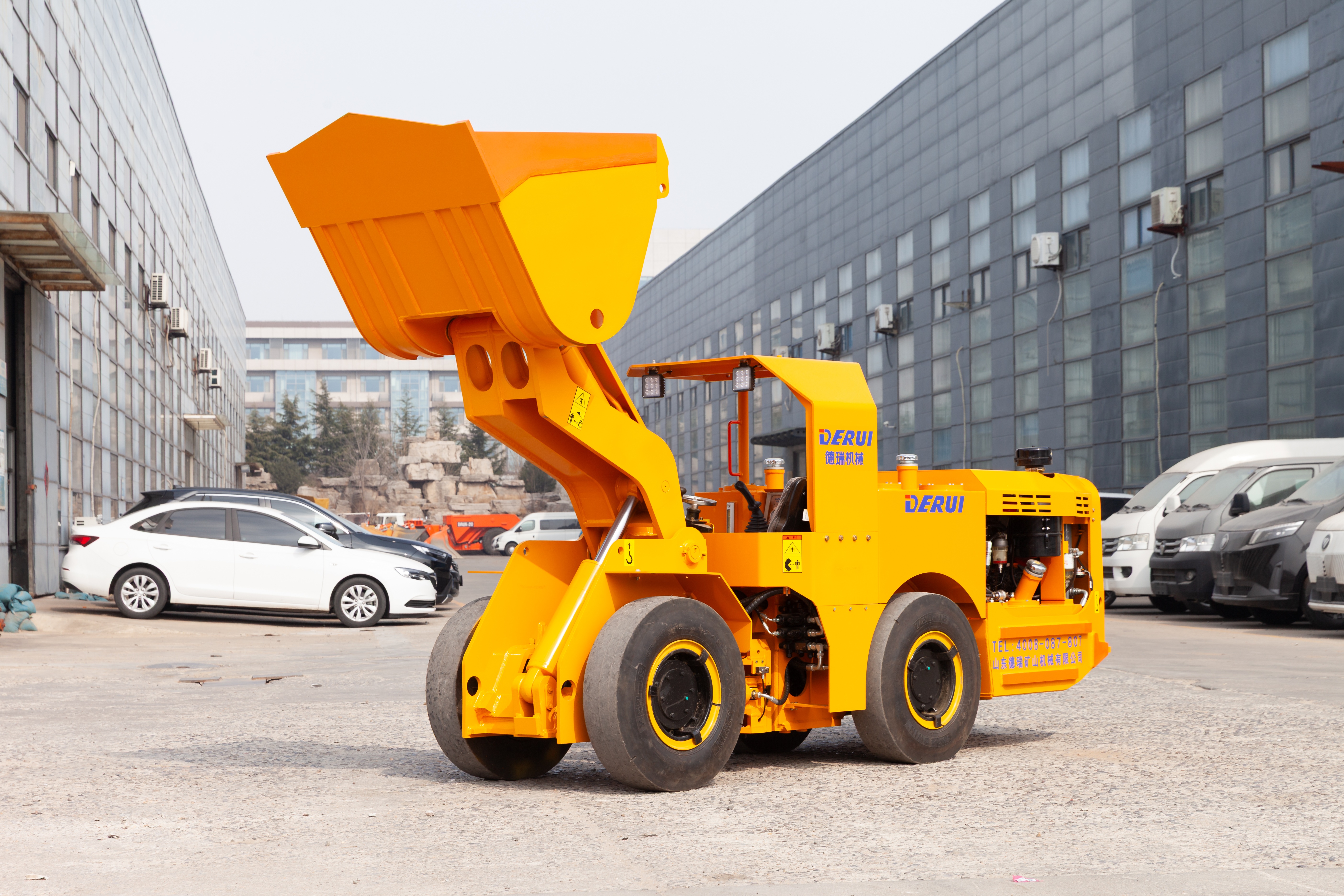
: Wheel loaders, forklifts, telehandlers, and skid steer loaders remain widely used. Each type serves different ground conditions, cargo weights, and working spaces. No universal winner exists.
Wheel loaders suit ports, quarries, farms, and large construction sites. Their wide buckets move gravel, soil, and other loose materials quickly. Firm ground improves their performance.
Electric forklifts create less noise and no direct exhaust emissions indoors. They fit warehouses and factories with smooth, level floors. Battery planning still matters.
A telehandler can lift pallets, pipes, and work platforms at different reaches. This flexibility may reduce the number of machines required. Attachment compatibility needs careful checking.
Skid steer loaders work well in narrow spaces and turn sharply. They accept tools such as buckets and sweepers. Cabin space and lifting height may limit long shifts.
Operators should keep buckets or forks low while traveling. Raised loads can block visibility and reduce stability. A small height change matters.
Side-loading trucks place long cargo beside the vehicle. They help near warehouse walls or narrow streets. Rear-loading trucks load cargo behind the vehicle, often beside loading bays.
Buyers should review terrain, load weight, reach height, operating hours, and turning space. They should also check tires, brakes, hydraulic hoses, technicians, and spare parts. Maximum capacity alone can mislead buyers.
Loading Trucks are specialized vehicles designed to lift, move, load, and unload materials efficiently across construction sites, warehouses, farms, ports, mines, and logistics operations. In 2026, major categories include forklifts, wheel loaders, telescopic handlers, truck-mounted loaders, side loaders, and compact loading vehicles. Each type uses different lifting, hydraulic, or attachment systems to handle pallets, bulk materials, containers, equipment, or irregular cargo. Selecting the right option depends on operating environment, load capacity, lifting height, reach, maneuverability, fuel or power source, terrain performance, and maintenance requirements.
Global buyers should compare rated capacity, dimensions, operating speed, visibility, attachment compatibility, energy efficiency, service accessibility, and expected working hours. Safety features, operator protection, emissions performance, and compliance with local regulations are also essential. Total cost should include purchase price, transportation, training, repairs, energy use, parts, and resale value. Emerging 2026 trends include electrification, automation, connected monitoring, lower-emission systems, improved battery technology, and smarter fleet management, helping businesses increase productivity while reducing operating costs and environmental impact.