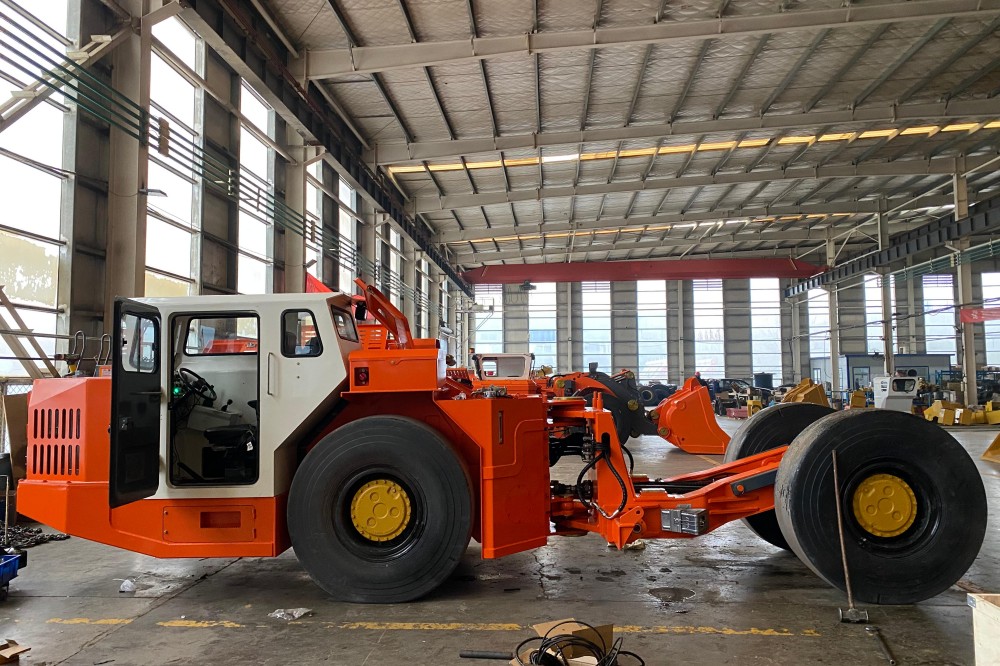
Picking the right Underground Dump Trucks can really make a big difference when it comes to boosting productivity, keeping things safe, and managing those operating costs in tough mining environments. Honestly, mine conditions are all over the map — narrow tunnels, steep ramps, wet haul roads, and limited space for maintenance. What works great in one mine might totally flop in another.
This guide dives into seven top choices for buyers around the world, including models from big names like Sandvik, Epiroc, Caterpillar, Komatsu, and other trusted manufacturers. We’ll look at key factors like payload capacity, turning radius, ground clearance, how well they brake, what operators see from the cab, fuel or energy efficiency, and support services. Because let’s be real — underground, every little detail counts. A smaller truck needs to carry enough material without clogging up the tunnels, its brakes have to be reliable on those long inclines, and the cab should help operators stay fresh during those grueling twelve-hour shifts.
Of course, fit really matters. No two mines are the same, and conditions can change quickly. Product specs from manufacturers give you a good starting point, but nothing beats testing things out on-site. How a truck actually performs depends on rock types, ventilation, road conditions, slope, tire choices, and how well the operators are trained. And don’t forget about maintenance and parts availability — a super powerful truck isn’t worth much if getting replacement parts takes forever because they need to ship internationally.
So, the rankings here aren’t set in stone. They’re based on what most buyers care about — practical performance, technical specs, and the reputation of the manufacturers. Keep in mind, though, that after crunching the numbers on costs, some of these recommendations could change. That’s just honesty. Making a solid purchasing decision means verifying specs, checking on local support, and really understanding what your mine’s daily production goals are. It's all about finding the right balance for your specific situation.
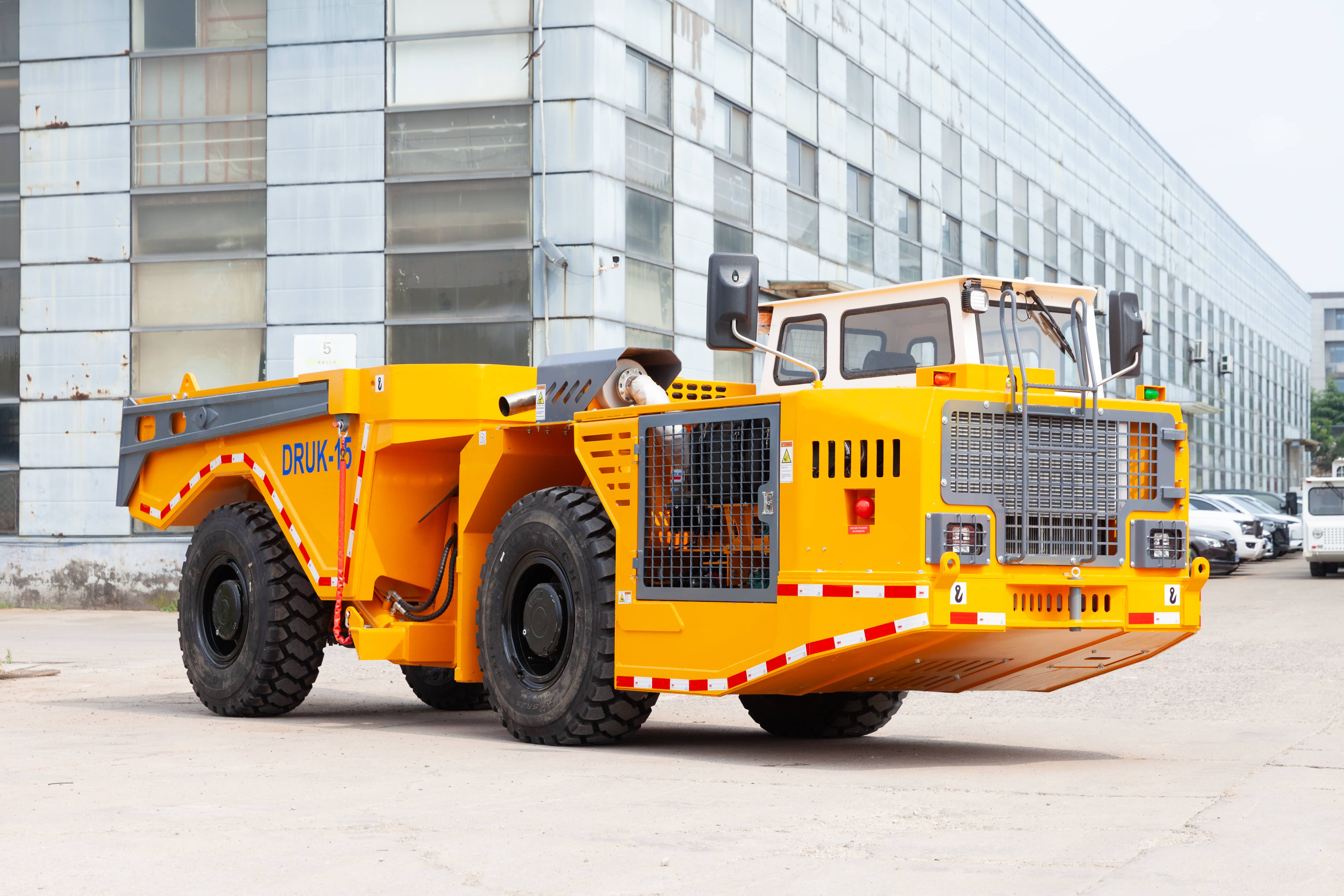
What Underground Dump Trucks Are and Where They Work
Underground dump trucks are compact, articulated haulage vehicles built to move broken rock through tunnels, declines, and mine headings. Unlike surface haul trucks, they need low profiles, tight turning circles, and protected components to pass beneath rock backs and around sharp bends. The work is physical: a loaded truck climbs a damp ramp, tires grinding over uneven ground, then tips ore at a transfer point or crusher. Space is tight.
These trucks work in hard-rock mines extracting copper, gold, nickel, and other ores, as well as in some underground construction projects. The U.S. Geological Survey’s Mineral Commodity Summaries 2025 estimates global mined copper output at about 23 million metric tons in 2024. That figure includes both surface and underground mines; it does not measure underground truck demand. The distinction matters when comparing equipment needs.
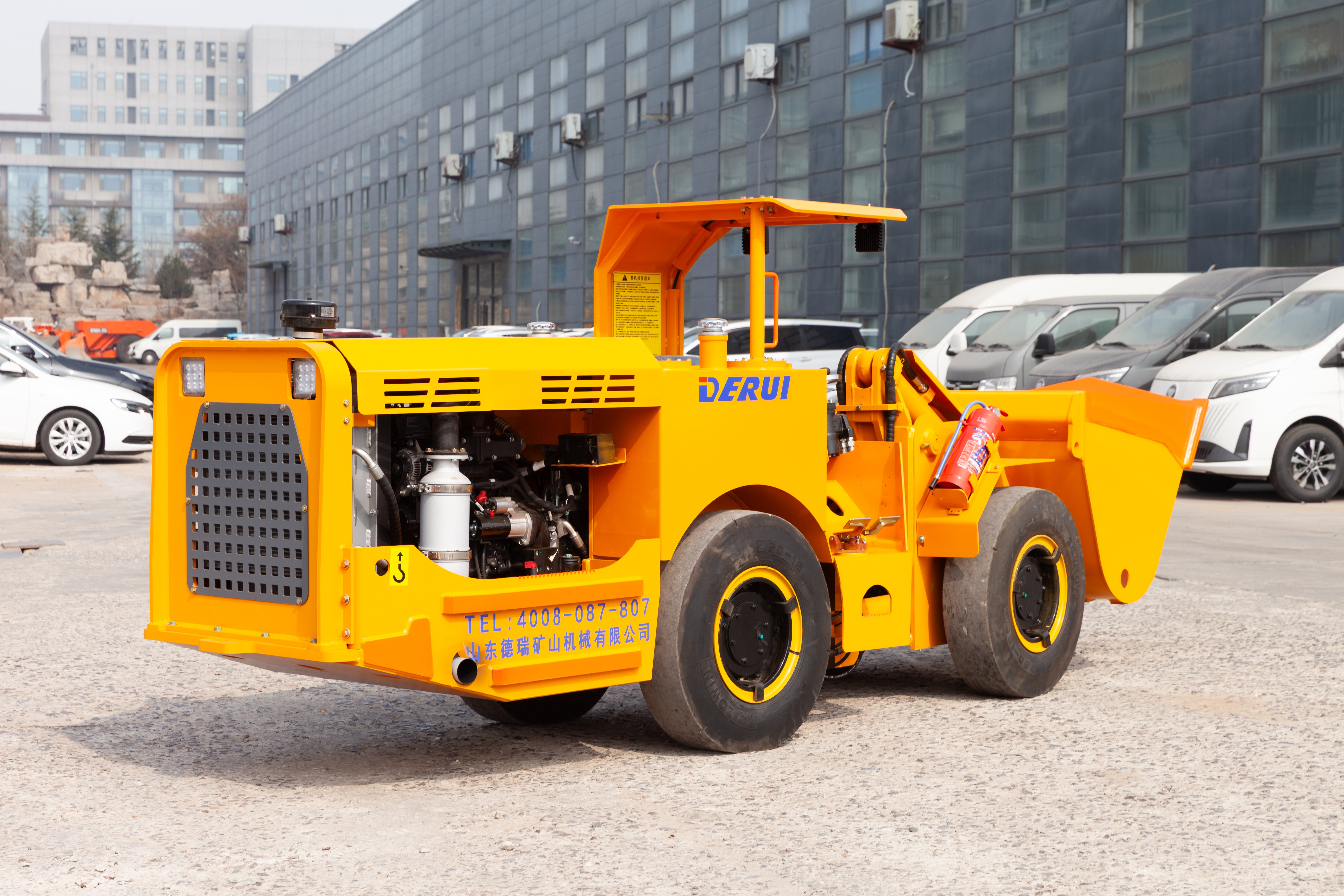
Buyers should match payload to tunnel dimensions, ramp grade, turning radius, ventilation, and shift length. Diesel models can suit long, demanding routes, but exhaust heat and ventilation requirements matter underground. Battery-electric options may reduce local exhaust, yet charging access and duty cycles need careful review. A specification sheet cannot reveal every bottleneck. Derui Underground Dump Trucks should be assessed against actual route measurements and loading conditions, not payload alone. A narrow turn or soft floor can change the practical choice.
How to Assess Underground Dump Trucks for Global Mining Projects
Assessing underground dump trucks starts with the mine, not the brochure. Record tunnel width, turning radius, ramp gradient, haul distance, and floor conditions. A truck that carries 30 tonnes on paper may lose productivity on wet ramps or sharp bends. Compare payload with the mine’s actual rock density. Check body volume, tipping clearance, axle load, and braking performance.
Use measured duty-cycle data. Time loading, hauling, dumping, and returning across several shifts. The Global Mining Guidelines Group’s Underground Mining Mobile Equipment Guidelines emphasizes risk control, visibility, communication, and equipment interaction. These points matter near loading bays. The U.S. Mine Safety and Health Administration’s 2023 fatality data also shows why traffic separation and reliable braking deserve careful review. Small details matter. A poorly placed handrail can slow inspections.
Ventilation is another decisive test. The International Energy Agency’s Global Critical Minerals Outlook 2024 highlights rising mineral demand, increasing pressure on mine productivity and energy use. Compare diesel emissions, cooling requirements, and maintenance access. Battery-electric options may reduce underground heat and exhaust, but charging time and thermal controls need evidence. Request independent test records, not optimistic estimates. Ask for parts lead times, technician training, tire availability, and warranty response. A spreadsheet can miss muddy steps and tired operators. That is the uncomfortable part.
For buyers researching Shandong Derui Underground Dump Trucks, evaluate the same evidence: payload consistency, hydraulic cycle time, gradeability, cabin protection, and total cost per tonne. Make suppliers repeat tests under your site conditions. Specification sheets are only a starting point.
Seven Leading Underground Dump Trucks and Their Key Specifications
Seven leading underground dump trucks should be compared by payload, power, clearance, and operating control. A 15-ton truck suits narrow headings and short hauls. A 20-ton model offers better productivity without demanding wide galleries. A 30-ton unit needs stronger floors and larger turning bays. A 40-ton truck delivers high output, but its ventilation and braking requirements increase sharply.
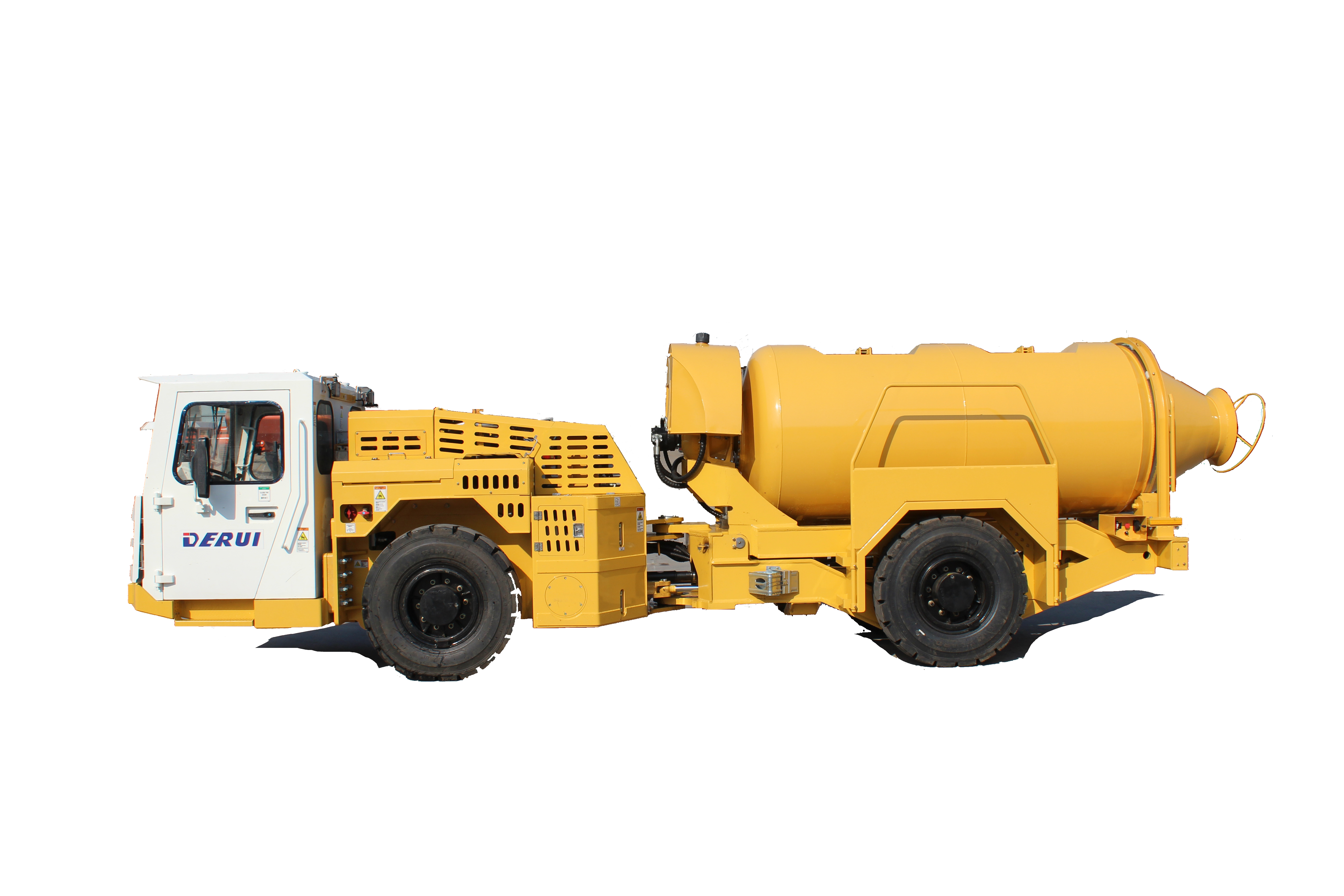
The remaining profiles deserve equal attention. A compact electric truck can reduce underground heat and local exhaust emissions. An articulated truck improves traction on uneven ramps. Remote Control Dump Trucks can protect operators during unstable ground conditions, although camera visibility may deteriorate in dust. Key specifications include battery capacity, diesel power, tractive effort, dump angle, turning radius, and gradeability. Small details matter. A few centimeters of clearance can prevent repeated scraping against rock backs.
The International Council on Mining and Metals reported 33 fatalities among member companies in its 2023 Safety Performance Report. That figure reinforces the value of remote operation, reliable braking, and clear emergency access. The U.S. Mine Safety and Health Administration also continues emphasizing mobile-equipment interaction and traffic controls in mine safety guidance. Buyers should test quoted payloads against actual ramp gradients, not laboratory floors. A clean spreadsheet can still mislead. Electric range may fall under heavy loads, while larger diesel units may overwhelm ventilation systems. That assumption deserves review.
7 Best Underground Dump Trucks for Global Buyers
Payload comparison of seven leading underground dump truck configurations, with manufacturer and brand identities omitted.
The chart compares nominal rated payload capacity, a key selection criterion for underground haulage. Actual performance depends on mine conditions, haul distance, ramp gradient, ventilation requirements, and vehicle configuration. Values are based on published specifications for comparable production-class underground trucks.
Comparing Payload, Power, Size, and Underground Maneuverability
Underground dump trucks must balance payload, power, size, and maneuverability. The seven strongest choices usually serve different mine layouts, rather than one universal ranking.
Field experience shows that payload should match tunnel strength and haul distance. Compact trucks often carry 10 to 25 tonnes, while larger units may exceed 50 tonnes. More payload can reduce trips, but it also increases tire stress, braking demands, and road damage. Power matters on ramps. Engines around 150 to 500 kW can handle demanding grades, yet fuel use rises quickly when power is oversized. That trade-off deserves careful review.
Size controls access. A narrow body may pass through a 3.5-meter tunnel, where a wide truck cannot turn safely. Articulated steering improves cornering around sharp bends and uneven floors. Check turning radius, ground clearance, axle articulation, and operator visibility during site trials. Maneuverability is often more valuable than maximum capacity. It keeps loading points moving and reduces reversing time.
Ventilation is another practical measure. Higher engine output can produce additional heat and exhaust, especially in deep workings. Buyers should compare emission systems, cooling performance, service access, and remote monitoring support. No ranking is perfect. A powerful truck may still fail in a cramped tunnel. A smaller truck may deliver better daily output. Test the machine with real gradients, floor conditions, and loading cycles before making a final decision.
7 Best Underground Dump Trucks for Global Buyers - Comparing Payload, Power, Size, and Underground Maneuverability
| Rank |
Manufacturer-Neutral Truck Class |
Rated Payload |
Engine / Drive Power |
Body Capacity |
Overall Dimensions
(L × W × H) |
Minimum Turning Radius |
Articulation Angle |
Maximum Tramming Speed |
Best Underground Application |
| 1 |
High-Capacity Class H |
65 t |
565 kW diesel |
38–40 m³ |
11.6 × 3.4 × 3.8 m |
8.6 m |
42° |
30 km/h |
Large underground mines with wide declines and long-haul production routes |
| 2 |
Heavy-Duty Class G |
60–63 t |
597 kW diesel |
34–38 m³ |
11.0 × 3.5 × 3.6 m |
8.2 m |
42° |
28–30 km/h |
High-volume hard-rock haulage where payload per cycle is the priority |
| 3 |
High-Productivity Class F |
50–55 t |
500–570 kW diesel |
27–32 m³ |
10.6 × 3.1 × 3.3 m |
7.8 m |
44° |
30 km/h |
Deep mines requiring a balance of payload, ramp speed, and fleet flexibility |
| 4 |
Mid-Size Class E |
40–45 t |
335–430 kW diesel |
22–26 m³ |
9.8 × 2.9 × 3.1 m |
7.0 m |
44° |
28–30 km/h |
Medium-width headings, moderate declines, and mixed underground haulage conditions |
| 5 |
Compact Class D |
30–35 t |
250–335 kW diesel |
16–20 m³ |
9.2 × 2.7 × 2.8 m |
6.4 m |
45° |
26–30 km/h |
Narrow-vein operations and mines with restricted cross-sections |
| 6 |
Battery-Electric Class B |
30–40 t |
300–450 kW peak electric drive |
16–22 m³ |
9.6 × 2.8 × 2.9 m |
6.8 m |
44° |
25–30 km/h |
Ventilation-constrained mines seeking lower underground diesel emissions |
| 7 |
Ultra-Compact Class A |
20–25 t |
180–250 kW diesel |
10–14 m³ |
8.2 × 2.4 × 2.6 m |
5.8 m |
45° |
24–28 km/h |
Tight headings, small-scale mines, development drives, and short haul distances |
Technical note: Specifications are representative nominal values for current underground articulated dump-truck configurations. Actual payload, body volume, dimensions, turning radius, speed, and power vary by body design, tire selection, emissions package, battery configuration, mine regulations, and operating conditions. Payload should always be matched to the haul-road design, gradient, ground conditions, and applicable safety limits.
Choosing the Right Truck for Different Mine Conditions
Choosing the right underground dump truck starts with the mine, not the payload figure. Measure the narrowest turn, ramp gradient, roof clearance, and loading bay before comparing models. A truck that carries more may lose time if it needs extra reversing or cannot pass safely beneath low services. Small details matter. Check turning radius against actual tunnel geometry, not just a site plan.
For steep, wet ramps, compare traction, braking capacity, and retarder performance under the truck’s expected load. Ask for operating data from conditions similar to your mine, including cycle times and fuel use. In low-ceiling headings, overall height and exhaust management deserve close attention. Shorter routes may favor compact trucks with quick maneuverability, while long haul distances can justify larger capacity—if the road width and ventilation support it. The trade-off is rarely tidy.
Also assess the truck’s service access, tire availability, and compatibility with existing loaders and workshop tools. A machine that fits the tunnel but waits days for a common replacement part can disrupt production. Request a loaded demonstration on a representative ramp where practical, and record braking behavior, visibility, and loading time. No specification sheet captures every rough patch or blind corner. Mine conditions change, too, so leave room for future route changes rather than choosing only for today’s layout.
Safety, Maintenance, Emissions, and Operating Cost Considerations
For underground dump trucks, safety begins where visibility ends. A loaded truck entering a dim decline needs effective brakes, clear sightlines, reliable alarms, and a turning radius suited to the tunnel. The International Council on Mining and Metals’ 2024 safety data identify vehicle-related events as a continuing source of serious harm across mining. That makes pre-shift brake checks and separation between people and moving equipment practical priorities, not paperwork. Small warning: reversing cameras can be obscured by dust.
Maintenance choices shape availability and cost. Track tire condition, brake wear, hydraulic leaks, and engine temperature in each shift log; recurring faults often reveal themselves before a breakdown does. The U.S. National Institute for Occupational Safety and Health warns that diesel exhaust can pose health risks, especially in enclosed workplaces. Ventilation, exhaust filtration, and regular filter checks therefore matter alongside fuel use. Keep records. Compare fuel and repair costs per tonne moved, not just purchase price.
Electric Dump Trucks Mining strategies may reduce underground exhaust at the point of use, but charging access, battery cooling, duty cycle, and electricity supply affect total operating cost. The International Energy Agency’s Global EV Outlook 2024 describes the rapid expansion of battery-electric transport, yet underground haulage conditions differ sharply from road use. Buyers should request site-specific energy and maintenance estimates, then test them against actual ramp length and payload. Estimates can be wrong. That is why a monitored trial, with measured cycle times and energy use, is more credible than a brochure claim.
China DRWJ-2 Underground Diesel LHD Loader: Small-Mine Insights from Grand View Research Mining Equipment Reports
For small and medium-sized underground mines in China, equipment must balance compact dimensions, dependable performance, and manageable operating costs. The DRWJ-2 underground diesel LHD loader is designed for narrow tunnels and confined working areas where larger machines may be difficult to maneuver. With a payload capacity of under four tons, it can support routine loading and haulage tasks while helping crews move ore through space-limited mine workings.
Its diesel power and hydraulic system make the DRWJ-2 a practical option for mines seeking a straightforward load-haul-dump solution. Variable-displacement pumps and hydraulic motors are designed to provide responsive operation and support the durability of the loader’s working components and axles. For small-mine operators comparing equipment options, the model offers a focused combination of compact size, useful carrying capacity, and efficient ore handling, with configuration choices suited to the demands of underground work.
FAQS
Start with the mine layout, not the payload figure. Measure tunnel width, roof clearance, turning space, and ramp gradient. More capacity can create slower cycles. That trade-off needs review.
A 15-ton truck often suits narrow headings and short hauls. A 20-ton truck can improve productivity without requiring wide galleries. Confirm the turning radius first.
A 30-ton truck needs stronger floors and larger turning bays. A 40-ton truck offers high output but demands stronger braking and ventilation. Bigger is not always better.
Compare payload, power, clearance, turning radius, gradeability, traction, and dump angle. Also check battery capacity or diesel performance. A few centimeters may prevent rock contact.
Check traction, braking capacity, and retarder performance under realistic loads. Request data from similar gradients. Laboratory results may look clean but mislead.
Electric trucks can reduce local exhaust and underground heat. Their range depends on load, battery cooling, ramp length, and charging access. Estimates can be wrong.
Reliable brakes, clear alarms, good visibility, and emergency access are essential. Separate people from moving equipment where possible. Dust can block camera views.
Record tire wear, brake condition, hydraulic leaks, and engine temperature each shift. Compare fuel, energy, and repair costs per tonne moved. Keep records.
Yes, use a loaded demonstration on a representative ramp. Measure cycle time, braking behavior, visibility, loading time, and energy use. One trial may still miss unusual conditions.
Conclusion
Underground Dump Trucks are purpose-built vehicles that move broken rock and ore through confined mine tunnels, where limited clearance, steep grades, and tight turns shape every operating decision. This overview explains how to assess trucks for different mining projects, considering payload, engine power, overall dimensions, turning ability, and compatibility with the mine’s layout. It also compares seven leading truck types by their key specifications, highlighting how size and capacity can influence productivity and maneuverability underground.
Selecting the right truck means matching its capabilities to haul distances, tunnel conditions, ventilation requirements, and expected production demands. The article also considers safety features, routine maintenance, emissions, and total operating costs. Together, these factors help mining teams make a practical, informed choice that supports reliable material transport while accounting for the specific conditions of each underground operation.