Leave Your Message
Picking out the best Diesel Loader in 2026 really comes down to what you need it to do. I mean, a machine that's perfect for a farm might not be the best fit for a quarry, recycling yard, or a busy construction site. Things like how much you plan to load each day, how far it needs to travel, ground conditions, and what kind of support you're able to get all play a role in making the right choice. Sure, horsepower matters, but it’s not the whole story—it’s just one piece of the puzzle.
This guide walks you through the practical stuff you should look into—stuff like rated operating capacity, different bucket options, how much fuel it consumes, visibility around the machine, the comfort of the cab, and how easy it is to get to maintenance points. Don’t just take the brochure numbers at face value. Watch how fast it can complete a load cycle, check whether the tires fit your terrain, and see if you can easily reach filters and service spots. Sometimes, those little details can make all the difference.
Remember, downtime isn’t just an inconvenience—it can really add up financially.
And about the price—it's not just about the sticker cost. You’ve got to think about what you'll spend on fuel, regular maintenance, parts availability, warranties, and what the machine might be worth when you're done with it. Always ask dealers for written specs and a clear service plan. If you can, try to see a working loader in action and have someone operate it with a load that mimics your typical jobs. A quick demo is helpful, but it can’t cover every season or every shift, so think of it more as a helpful hint rather than a promise.
Here’s the thing—no single model is perfect for everyone. The best choice depends on your specific workload, your budget, what your operators need, and how close support is where you are. Sometimes, details are a bit fuzzy because manufacturers test under different conditions. This guide aims to help you cut down the options, but ultimately, what you choose should be based on your actual site requirements.
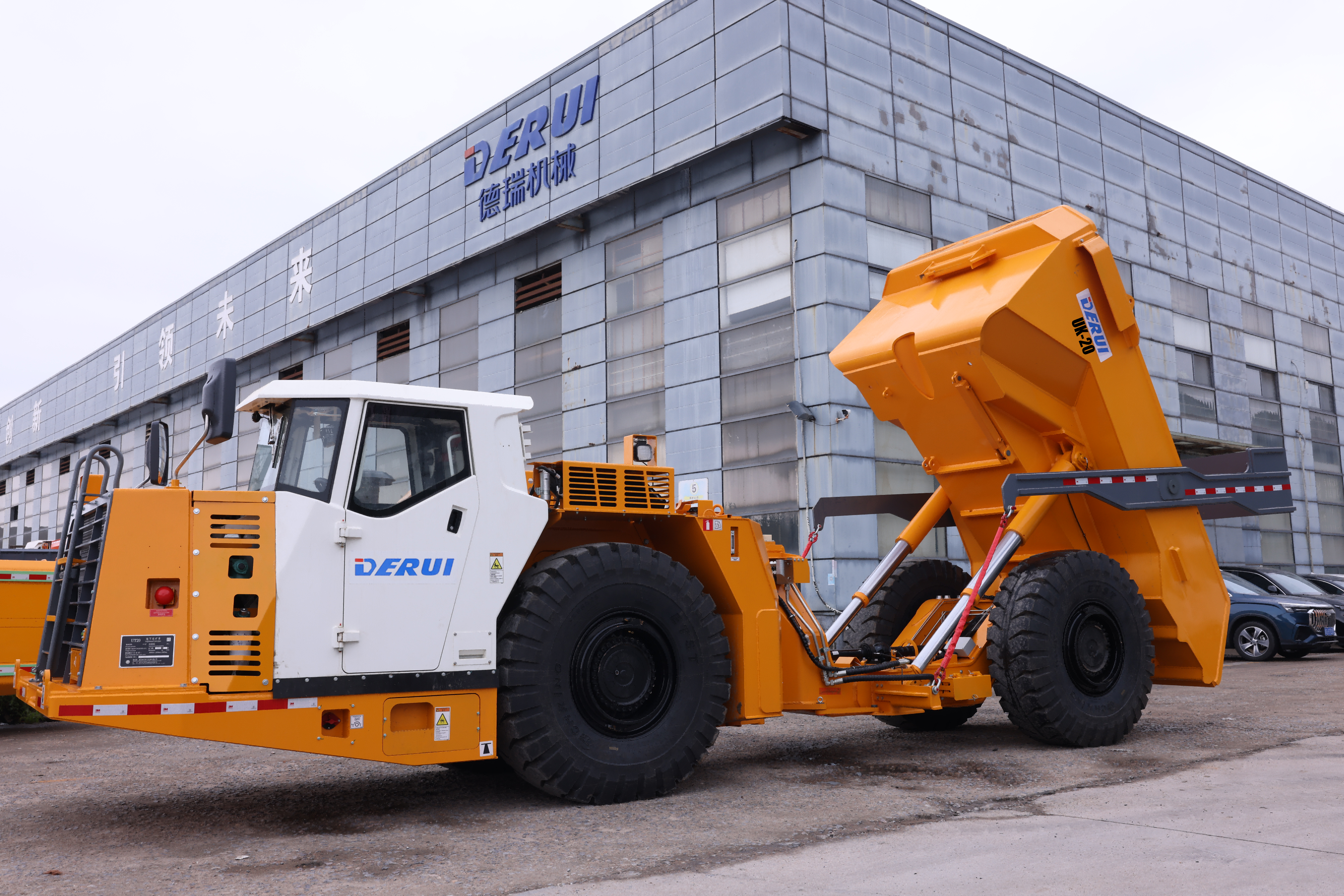
A diesel loader is a machine powered by a compression-ignition engine, built to scoop, carry, and place loose material. Its front bucket handles soil, gravel, crushed rock, or spoil. Articulated steering helps it turn in tight work areas. Some models are designed for surface sites; an Lhd Loader is typically a compact load-haul-dump machine used underground. The right type depends on the space, haul distance, material, and shift length. Small details matter.
On a construction site, an operator may fill the bucket from a stockpile, reverse, and carry the load to a truck or hopper. In a mine, an LHD loader can collect broken rock and transport it to a discharge point. The cycle repeats. Dust, uneven floors, and limited visibility can affect safe, efficient operation, so mirrors or cameras, braking condition, tire wear, and clear sightlines deserve attention. Diesel exhaust also needs suitable ventilation in enclosed work areas. Bigger is not always better.
When comparing machines for 2026, check bucket capacity alongside turning radius and service access. A loader that fits the job but is difficult to maintain may lose working time. Specifications help, but real site conditions can expose gaps in a sales sheet. I would question any choice based on horsepower alone.
A diesel loader is a diesel-powered machine designed to lift, carry, and move materials using a front-mounted bucket or attachment. The best choice depends on the material, worksite, travel distance, required capacity, and operating conditions. Specifications below are typical indicative ranges; actual figures vary by machine configuration and manufacturer.
| Loader category | Typical operating weight | Typical engine power | Typical bucket capacity | Common uses | Best suited to |
|---|---|---|---|---|---|
| Compact wheel loader | About 3–6 tonnes | About 35–75 kW | About 0.5–1.5 m³ | Loading, landscaping, snow clearing, and handling materials in confined areas | Small sites where maneuverability and a compact footprint matter |
| Small wheel loader | About 6–12 tonnes | About 55–110 kW | About 1.2–3.0 m³ | Moving soil, aggregate, feed, and palletized loads | Farms, construction sites, and smaller material-handling operations |
| Medium wheel loader | About 12–20 tonnes | About 100–180 kW | About 2.5–5.0 m³ | Stockpiling, truck loading, quarry work, and bulk-material handling | Regular, higher-volume loading where a balance of capacity and mobility is needed |
| Large wheel loader | About 20–35 tonnes | About 180–300 kW | About 4.5–10 m³ | High-volume stockpiling, quarrying, and loading large haul trucks | Continuous heavy-duty work with sufficient space for large equipment |
| Backhoe loader | About 7–11 tonnes | About 55–100 kW | Front bucket commonly about 0.8–1.5 m³ | Front-end loading plus trenching and excavation with the rear digging arm | Mixed jobs that need one versatile machine rather than a dedicated loader and excavator |
| Buying factor | What to check | Why it matters |
|---|---|---|
| Material and bucket | Match bucket capacity and design to the material’s density; confirm rated payload and tipping-load information for the intended configuration. | A bucket that is too large or heavy can reduce safe payload and stability, especially with dense materials. |
| Work cycle and travel | Estimate daily operating hours, loading distance, required cycle time, and the number of truck loads per shift. | These factors help determine suitable machine size, traction, and productivity without buying more capacity than the job needs. |
| Worksite conditions | Check access width, overhead clearance, ground conditions, slope, turning space, and transport limits. | The machine must fit the site and remain appropriate for its surface and operating conditions. |
| Emissions and regulations | Verify the engine emissions stage required where the loader will operate, along with local rules for worksite access and after-treatment maintenance. | Emissions requirements vary by market and application; compliance can affect where and how the machine may be used. |
| Total cost of ownership | Compare purchase or lease cost, fuel use, scheduled servicing, tires, expected utilization, warranty, and resale value. | The lowest purchase price may not result in the lowest cost over the machine’s working life. |
| Safety and operator fit | Assess visibility, access steps, seat and control adjustment, braking, rollover protection, and available safety features. | Good visibility and an appropriate operator station support safer, more consistent daily operation. |
| Service support | Confirm local parts availability, technician coverage, service intervals, and expected repair turnaround. | Reliable support can reduce downtime and help keep a loader available for planned work. |
General guide: A compact or small wheel loader is often a practical fit for confined or moderate-volume work; a medium or large wheel loader is generally intended for higher-volume loading; a backhoe loader is useful when both loading and excavation are required. Confirm exact specifications, rated capacities, and local emissions compliance in the machine’s technical documentation before purchase.
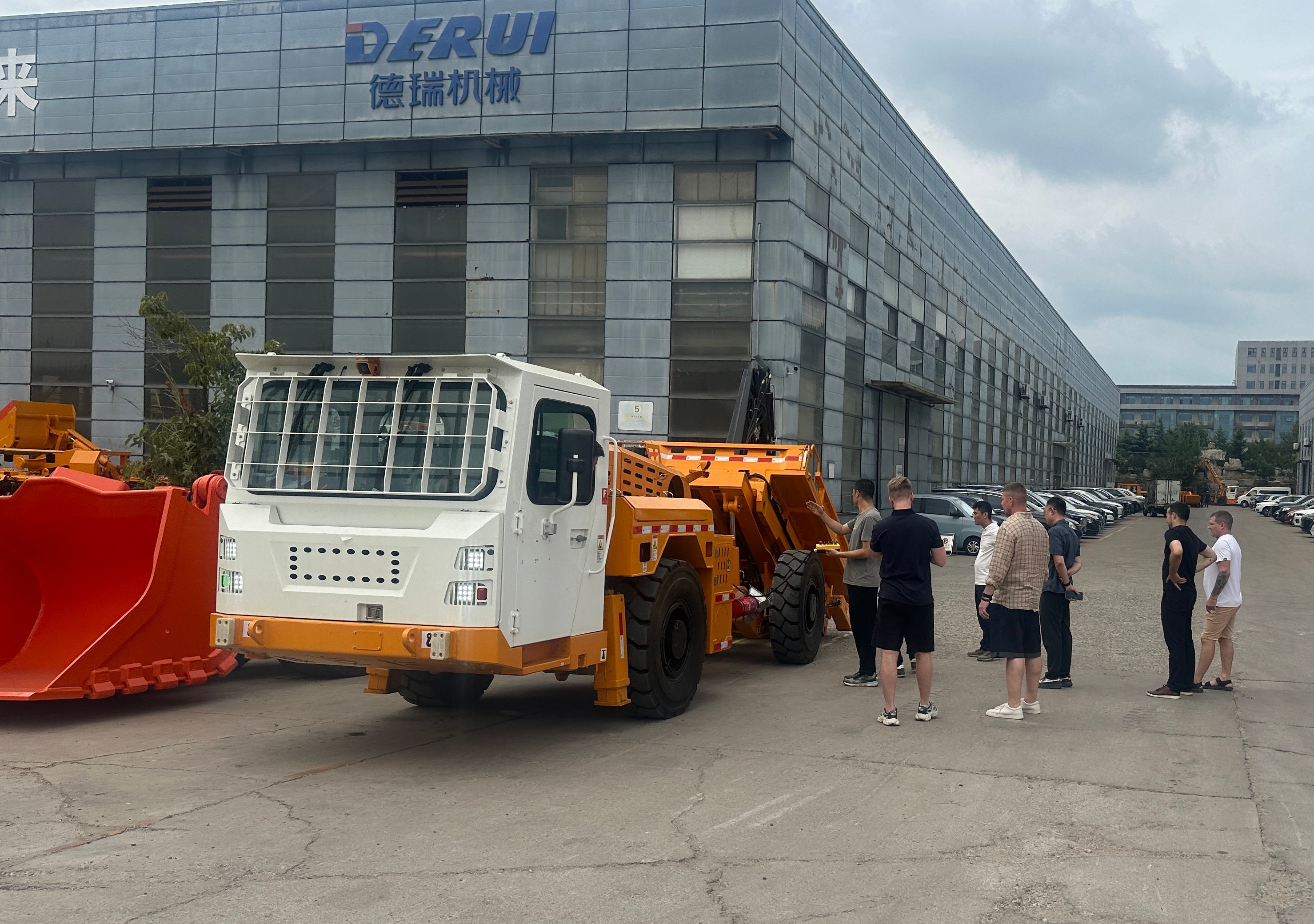
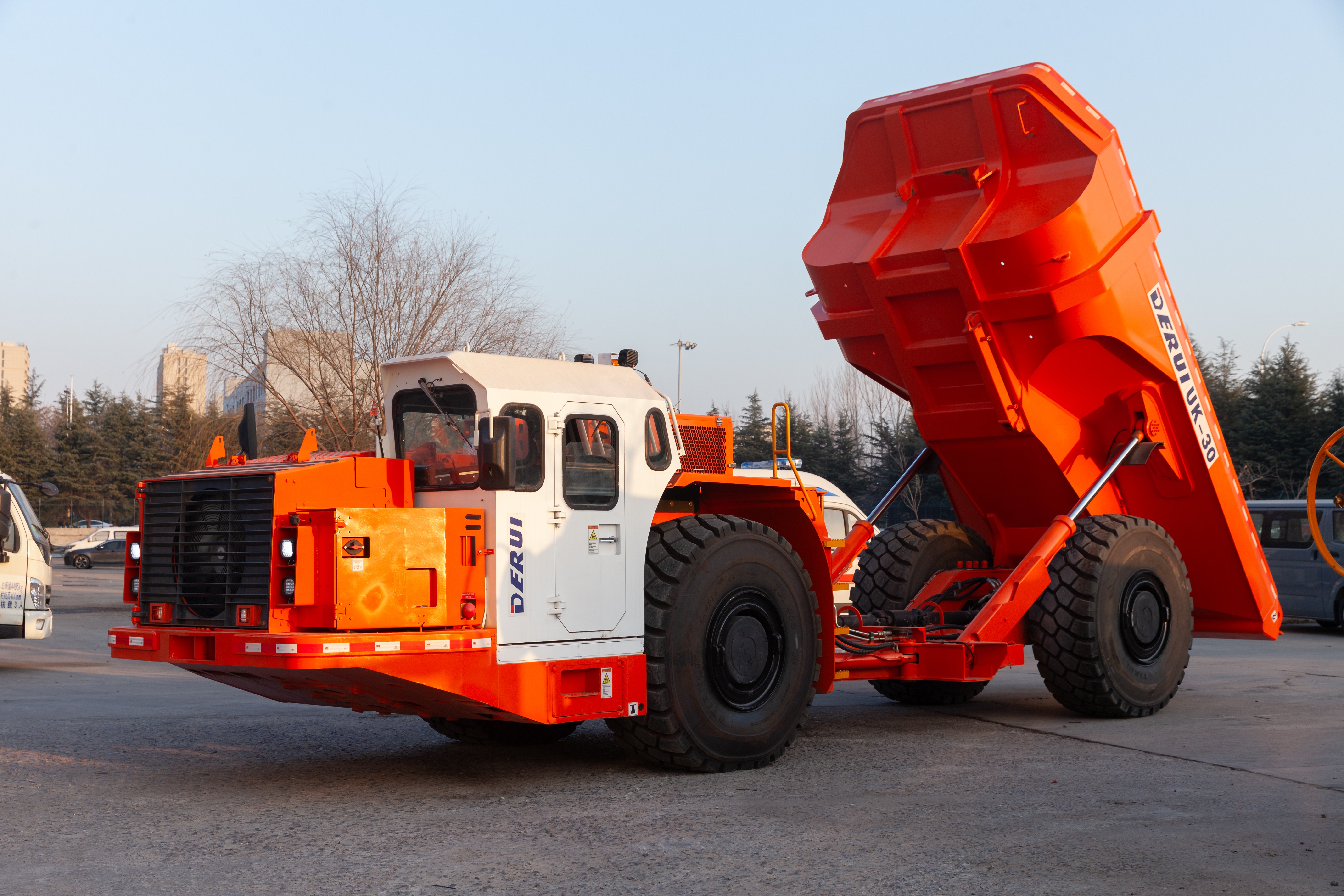
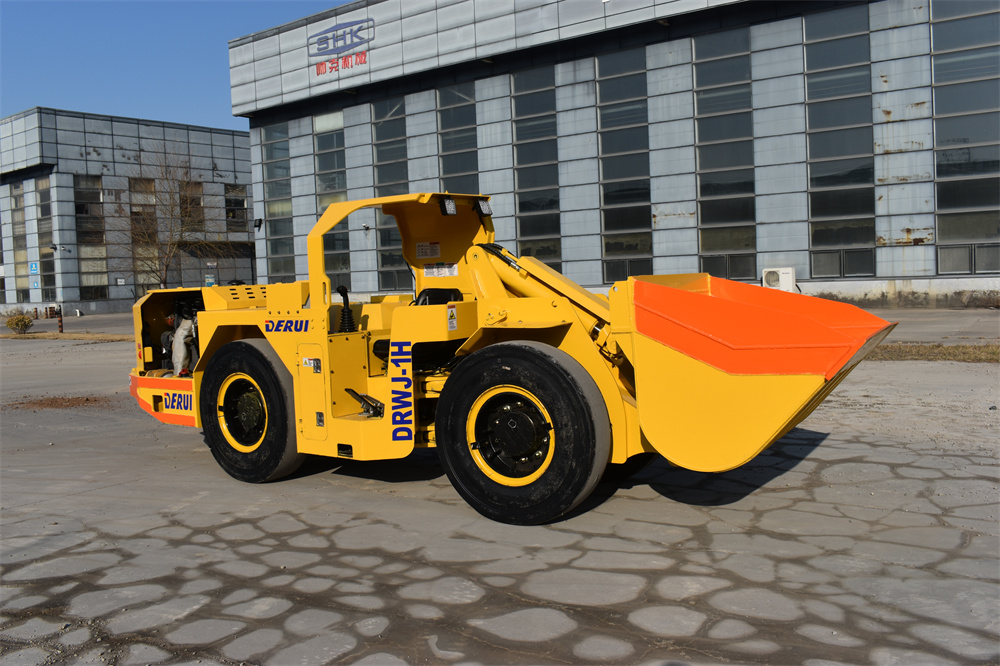
The DRWJ-1.5 Underground Diesel LHD Loader helps streamline underground mining by combining loading, hauling, and dumping in one compact machine. With a payload capacity of under three tons, it is suited to smaller-scale projects and confined work areas where larger equipment may be difficult to maneuver. Its compact dimensions and small turning radius allow operators to navigate narrow tunnels and work efficiently around limited space, supporting smoother movement of ore from the face to designated unloading points.
Powered by a diesel engine, the loader is designed for dependable operation in demanding underground conditions, including high-altitude environments. Its practical size can help mining teams handle material without requiring extensive tunnel clearance, while its robust construction is intended to withstand regular use. For operations seeking to improve ore-handling productivity, the DRWJ-1.5 offers a balance of maneuverability, payload capability, and durability, making it a useful equipment option for compact underground mining projects.
It uses a compression-ignition engine to scoop, carry, and place loose material. Its front bucket can handle soil, gravel, or crushed rock. It depends.
Construction crews move material from stockpiles to trucks or hoppers. Underground, compact load-haul-dump machines carry broken rock to discharge points. Conditions vary.
Match bucket capacity, turning radius, travel distance, and working space to the job. Check service access too. Bigger is not always better.
Load size, travel distance, idle time, and operator habits all matter. Compare figures from a similar duty cycle, not just a brochure estimate. I might be missing some site-specific factors.
Filters and regeneration systems need suitable operating conditions. Repeated short cycles may interrupt them. Ask how service alerts work and whether local technicians can diagnose faults.
Check access to filters, fluid points, and cooling parts. Muddy radiators can be missed during a quick walkaround. Review service intervals, parts availability, and likely downtime.
Dust, uneven floors, and limited visibility can affect work. Check mirrors or cameras, brakes, tire wear, and clear sightlines. Enclosed areas need suitable ventilation.
Horsepower alone does not show whether the machine fits the space, material, or shift length. Specifications can miss real site conditions. Not always.
Choosing the best Diesel Loader in 2026 starts with understanding the work it needs to perform. Loaders move, lift, and place materials, but the right type and size depend on your site, load requirements, terrain, and available space. Compare key specifications such as operating capacity, engine power, lift height, bucket options, and maneuverability to find a machine that can handle everyday tasks without being oversized.
Ownership costs matter as much as purchase price. Consider fuel consumption, emissions performance, maintenance needs, parts availability, and expected operating hours when estimating long-term expenses. Compare equipment features and total cost of ownership against your budget and workload, then assess how well each option suits your worksite conditions and schedule. The best choice is the Diesel Loader that delivers dependable performance, practical efficiency, and the right capacity for your specific jobs.