Picking out the best Bucket Loader can really feel a bit overwhelming, you know? Industry expert John Smith from Heavy Machinery Solutions puts it simply: "Choosing the right Bucket Loader can seriously boost your productivity." His words just go to show how important this choice actually is.
Getting a handle on the different features is super important, though. You want a Bucket Loader that matches your specific job needs. Think about stuff like how much it can hold, how high it can lift, and what attachments it might need. Honestly, many folks struggle to find that perfect model—that fits everything—and that often ends up costing them in efficiency and expenses.
The first thing to do is really think about what your operation actually needs. Every job site is different, so a one-size-fits-all kinda thing usually doesn’t cut it. Do you need something small and nimble for tight spaces? Or maybe a heavy-duty beast for bigger projects? Taking some time to reflect on these questions can really help you make a smarter choice. In the end, the right Bucket Loader isn’t just a purchase—it's a tool that can make your work smoother and drive better results.
Understanding the Different Types of Bucket Loaders Available
When choosing a bucket loader, understanding the types available is crucial. Bucket loaders fall into several categories, including skid steer loaders, wheel loaders, and backhoe loaders. Each type serves distinct purposes and has unique features. Skid steer loaders are compact and versatile, ideal for tight spaces. Wheel loaders, on the other hand, offer greater stability and higher bucket loader capacity due to their larger frames. Backhoe loaders combine digging and lifting capabilities, perfect for construction and excavation tasks.
Consider your specific needs when selecting a bucket loader. The size of the project, load requirements, and site conditions play significant roles. For example, a smaller loader may suffice for residential tasks, while larger wheel loaders are better for heavy industrial work. According to industry reports, using the right Loader Bucket Capacity can significantly enhance efficiency on the job site.
Tips for evaluation include assessing the terrain where the loader will operate. A machine suited for flat surfaces may struggle on uneven ground. It's also worthwhile to review the maintenance requirements of each loader type. Some models may have higher uptime but require more frequent servicing. Evaluating these factors can help ensure the selected loader meets your specific demands effectively.
Key Specifications to Consider When Choosing a Bucket Loader
When choosing a bucket loader, understanding the key specifications is crucial. One of the first factors to consider is the operational weight. This influences the loader’s lifting capacity and stability. A lighter Lhd Loader might be more maneuverable in tight spaces, but it may sacrifice power for larger tasks. Evaluate what your specific workload requires in terms of capacity.
Next, consider the bucket size and type. Different jobs demand different buckets. A wider bucket increases efficiency for moving loose materials but may be less effective for digging. Assessing the type of material you work with can guide you toward the right choice. Some users might overlook the importance of attachment compatibility. Not all Lhd Loaders can accommodate various attachments, which can limit versatility.
Finally, remember to check engine performance and hydraulic capabilities. A robust engine leads to reliable operation over time. However, high performance can also mean higher fuel consumption. Striking the right balance is essential. Users often find themselves reflecting on their choices after they’ve purchased. Revisiting these specifications can lead to better decisions next time.
Evaluating Your Project Requirements for Loader Selection
When choosing a bucket loader, evaluating project requirements is crucial. Different projects demand varying capabilities. For instance, a construction site may require loaders with significant lifting capacity. According to the American Society of Civil Engineers, small to medium loaders can lift between 1,000 to 2,500 pounds. Understanding your project's weight requirements helps narrow down options.
The terrain and working conditions also affect loader choice. For rough, uneven ground, a machine with robust traction and stability is necessary. Research shows that around 40% of loader-related accidents are due to poor ground conditions. Therefore, selecting a loader that copes well with local conditions ensures safety and efficiency.
It’s essential to consider operational efficiency. Loaders equipped with advanced hydraulics can enhance productivity while reducing fuel consumption. A recent industry report indicated that loaders with optimized hydraulic systems can improve efficiency by up to 20%. This not only lowers operation costs but also contributes to sustainability goals. Being mindful of these factors makes a significant difference in project success.
Assessing Load Capacity and Power of Bucket Loaders
When choosing a bucket loader, load capacity and power are crucial aspects to evaluate. Understanding these elements helps determine how much material the loader can handle effectively. Load capacity indicates the maximum weight the loader can carry in its bucket. If the load exceeds this limit, productivity decreases and safety risks increase. It is essential to assess both the weight and volume of the materials you frequently move.
Power complements load capacity, allowing the bucket loader to perform efficiently across various terrains. A powerful engine ensures the loader can handle heavy loads and tackle steep grades. However, more power often comes with higher fuel consumption. Striking a balance between engine power and fuel efficiency is essential to maintain operational cost-effectiveness.
Operators must reflect on their specific needs. If frequent heavy lifting is expected, prioritize a loader with higher capacity and power. Regular assessments are valuable, as your needs may change over time. Inspecting both existing equipment and future demands ensures you choose a bucket loader that delivers real value to your operations.
How to Choose the Best Bucket Loader for Your Needs? - Assessing Load Capacity and Power of Bucket Loaders
| Model |
Load Capacity (lbs) |
Engine Power (HP) |
Bucket Size (cu ft) |
Weight (lbs) |
| Model A |
2200 |
50 |
1.5 |
4500 |
| Model B |
3000 |
75 |
2.0 |
5800 |
| Model C |
3500 |
90 |
2.5 |
7000 |
| Model D |
4000 |
100 |
3.0 |
8500 |
| Model E |
4500 |
120 |
3.5 |
9000 |
Comparing Features: Attachments and Tool Options for Loaders
When selecting a bucket loader, the range of attachments and tool options is critical. Different jobs require specific tools. For instance, a Dump Loader can accommodate a variety of attachments such as forks, grapples, or blades. Understanding your needs will help you choose the right attachments. Think about the tasks you perform most frequently. Are you moving dirt, lifting pallets, or handling debris? The right combination of a bucket loader and attachments can save time and enhance efficiency.
Some loaders come equipped with quick-attach systems. This feature allows you to switch attachments effortlessly. If you encounter varied tasks daily, this system adds versatility. However, be mindful that not all quick-attach systems are created equally. Some may require additional training to operate safely. This aspect can complicate tasks for inexperienced operators. Consider a dump loader with a straightforward system for ease of use.
Lastly, evaluate the loader's weight capacity and engine power. If you're working on heavy-duty tasks, ensure your selection can handle the load. Remember, the most powerful loader isn't always the best choice. Sometimes, lighter and more agile models are more suitable for tight spaces. Reflect on these factors to find the best fit for your operational needs.
Budgeting and Cost Considerations for Your Bucket Loader Purchase
When purchasing a bucket loader, budgeting is key. According to industry reports, prices can range from $10,000 to over $100,000. Understanding your budget allows for better decision-making. If you opt for a more affordable model, consider long-term costs. Cheaper models may lead to higher maintenance expenses.
Many factors affect costs. The size of the loader is one important aspect. Smaller loaders are generally less expensive but may lack the power needed for heavy-duty tasks. Additionally, aftermarket attachments can add significant costs. Some attachments can run into thousands of dollars, influencing your overall budget.
A solid plan should include predictable expenses. Create a spreadsheet detailing initial purchase costs. Include operating costs, maintenance, and service. This will give you a clearer picture of total investment. Keep in mind, spending less upfront does not always line up with long-term value. Evaluate not just the price tag, but what you truly need from a bucket loader.
Cost Comparison of Different Bucket Loader Types
This chart illustrates the average costs associated with different types of bucket loaders. As seen, compact loaders are the most affordable, whereas large loaders tend to be the most expensive options.
Reading Customer Reviews and Expert Opinions on Loaders
When it comes to selecting a bucket loader, customer reviews offer invaluable insights. Users describe their experiences in various conditions. Some praise a loader's efficiency for small tasks but note it struggles with larger projects. This feedback helps potential buyers understand the machine's limitations.
Expert opinions provide a different angle. Professionals analyze features like bucket capacity and hydraulic power. They often recommend considering the machine's versatility. A Tire Loader can be effective in many scenarios, whether it's landscaping or construction. However, experts caution against underestimating the importance of maintenance. Regular checks can prevent small issues from becoming major problems.
Customers sometimes mention difficulty in finding the right accessories for their Tire Loader. Researching compatibility ahead of time can save frustration. Additionally, some reviews highlight the importance of genuine user feedback over flashy marketing claims. Engaging with real experiences, both positive and negative, is essential for making an informed choice.
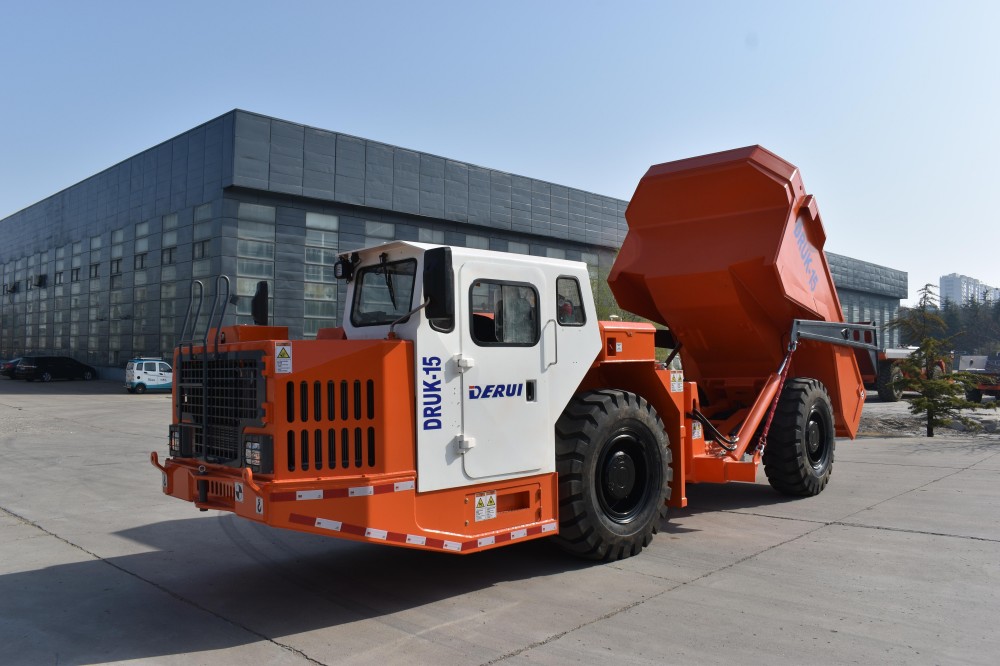
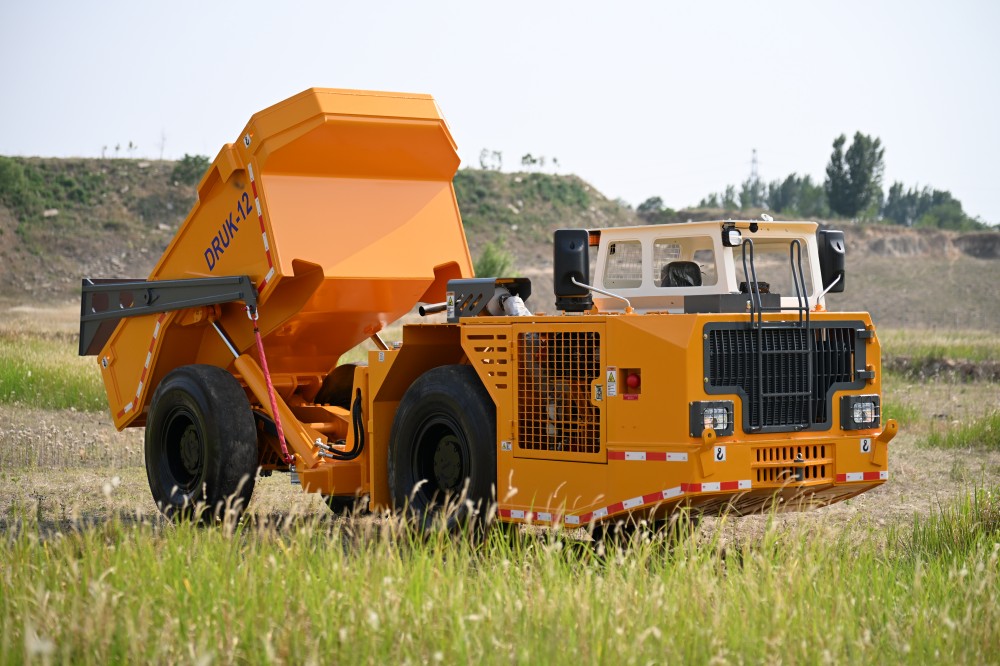
Unveiling the DRWJ-0.6 Underground Diesel LHD Loader: A Game-Changer in Small-Scale Mining Operations
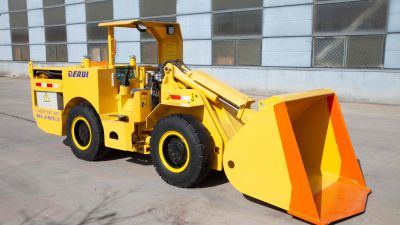
The DRWJ-0.6 Underground Diesel LHD Loader is poised to revolutionize small-scale mining operations, particularly in the challenging environments of narrow underground tunnels. This diesel-powered load-haul-dump (LHD) machine is engineered with a unique focus on safety, efficiency, and maneuverability, making it an optimal solution for small to medium-sized mining operations. With a payload capacity of under 1.2 tons, the DRWJ-0.6 can efficiently transport materials within confined spaces, greatly enhancing workflow and productivity in these demanding settings.
One of the standout features of this loader is its advanced hydraulic system, which includes a high-end variable-displacement pump paired with a high-pressure feedback fixed-displacement motor. This innovative setup facilitates precise vehicle control, allowing operators to navigate complex mine layouts with ease. The user-friendly design not only increases operational efficiency but also minimizes the learning curve for new users, making it an invaluable asset for mining operations striving to optimize their resources and improve overall performance. The DRWJ-0.6 is quickly becoming a preferred choice among mining suppliers, reinforcing its reputation as a game-changer in the industry.
FAQS
: Evaluate project requirements, terrain, lifting capacity, and operational efficiency. Each project needs a tailored approach.
For rough ground, choose a loader with good traction. Around 40% of loader accidents stem from poor ground conditions.
Reviews provide real user experiences. They highlight a loader's strengths and weaknesses across various tasks.
Experts assess features like hydraulic power. They suggest considering versatility and emphasize the importance of regular maintenance.
Loaders with advanced hydraulics can boost productivity. They may reduce fuel consumption, cutting overall operation costs significantly.
Some find it hard to get compatible accessories. Researching before purchase can prevent frustration later on.
Know your project's weight needs. Loaders can typically lift between 1,000 to 2,500 pounds, affecting your selection.
Regular checks prevent minor problems from escalating. Neglecting maintenance can lead to costly repairs or inefficiencies.
Be cautious. Genuine user feedback often offers a clearer picture than attractive marketing. Real experiences matter for informed decisions.
A combination of understanding requirements, optimal equipment choice, and attention to user feedback can lead to better outcomes.
Conclusion
Choosing the best bucket loader for your needs involves understanding the various types available and key specifications to consider. Before making a decision, it's crucial to evaluate your specific project requirements, including load capacity and the power of the loader, as these factors will significantly impact performance.
Additionally, comparing features such as attachments and tool options will help tailor the bucket loader to your operational needs. Budgeting is also essential; consider the overall costs while ensuring you select a model that meets your requirements without compromising on quality. Finally, reading customer reviews and expert opinions can provide valuable insights to inform your choice, helping you select the best bucket loader for your tasks.