Leave Your Message
China has really stepped up as a huge manufacturing hub for global mining equipment and parts. You’ll find factories there churning out everything from drilling rigs and crushing systems to loaders, roof bolters, conveyor parts, and wear-resistant tools. But here’s the thing: what’s considered the “best” actually depends on your specific mine conditions, how capable the service support is, certifications, and the overall cost of ownership. A super-low purchase price might look tempting at first, but if spare parts take ages to arrive, it can end up costing you way more in the long run.
According to Grand View Research, the worldwide market for mining equipment is growing steadily. That’s driven by deeper mines, more infrastructure projects, and a steady demand for minerals. The International Energy Agency also notes that the need for materials like lithium, copper, and nickel—those transition minerals—is on the rise. All these trends put extra pressure on suppliers to deliver **reliable** mining tools. Price tags in catalogs are nice, but what really matters is dependability. Companies like XCMG, SANY, and China Coal Group showcase China’s impressive range of industrial capabilities. Still, be aware that quality can vary quite a bit from one model or factory to another.
This guide takes a practical look at China’s top suppliers using some real-world buyer considerations. We're talking about drilling precision, how long tools last, whether equipment works well together, factory audits, their experience with exports, and how responsive they are after-sales. We also look at whether they meet ISO management standards, CE requirements, and local mine safety rules. While certifications are helpful, they don’t guarantee how equipment will perform in the field—that’s something to keep in mind. Some suppliers might show off shiny certificates but lack solid service in regions like Africa, Latin America, or Central Asia.
The best way to judge a supplier? Look for real evidence—technical datasheets, independent inspections, customer references, and even trial orders. Reports from Deloitte’s Tracking the Trends series highlight key priorities like boosting productivity, automation, safety, and operational resilience in mining. These are the factors shaping our recommendations here. Just keep in mind, some supplier info can change fast and not all data is complete or up-to-date. Always double-check every claim before sealing the deal—that’s just good sense.
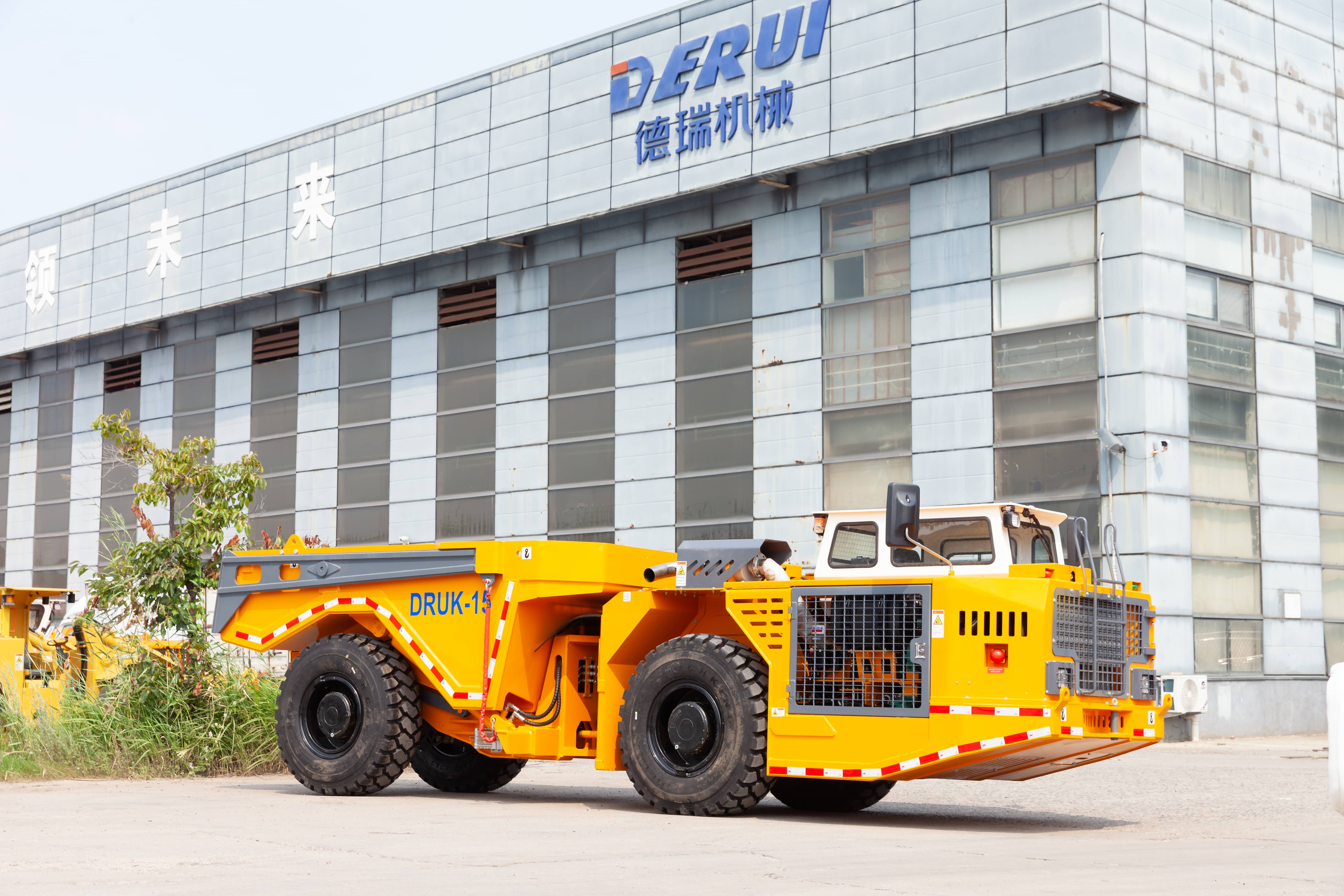
Global buyers examining China’s mining tool suppliers often start with categories, not promises. Underground Mining Tools must match rock hardness, tunnel width, ventilation, and water conditions.
Drills need stable feed pressure and accurate hole alignment. A misplaced hole wastes time and weakens the round. Crushers need correct inlet size and adjustable discharge. A compact jaw unit may suit hard feed, while another design handles sticky ore better. Field experience matters here. Laboratory figures alone can mislead.
Mills require careful attention to throughput, liner design, grinding media, and power demand. Screens should separate wet or dry material without rapid blinding. Ask for aperture tolerances, vibration data, and replacement access.
Wear parts deserve equal attention. Plates, mantles, liners, and sieve panels should match actual abrasion patterns, not generic charts.
A reliable supplier shares material grades, inspection records, dimensional drawings, and installation guidance. That evidence supports sound purchasing decisions.
Before ordering, request samples or a controlled trial when possible. Measure output size, noise, temperature, and wear after a defined operating period. Small details count. Confirm packing, spare-part availability, service response, and documentation in clear English. I have seen projects focus on purchase price, then lose weeks waiting for a simple liner. That mistake remains common. Supplier claims should be checked against references, test reports, and realistic production conditions. Even experienced buyers should leave room for revision; ore changes, water enters, and equipment performance can shift underground.
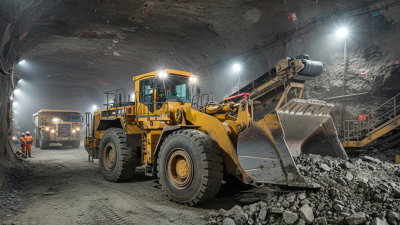
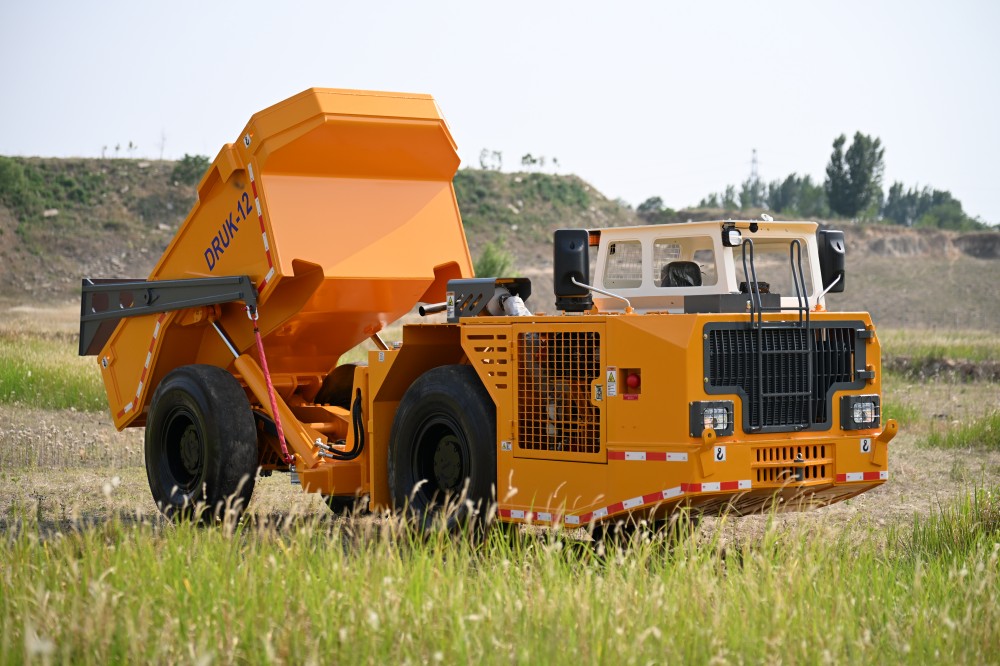
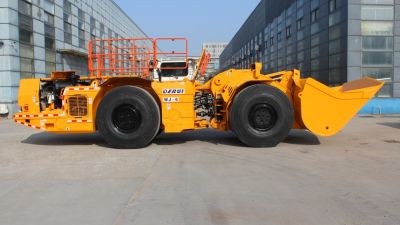
China’s DRWJ-6 underground diesel LHD loader is designed for mines producing medium- to low-density ores such as gold, bauxite, and fluorite. Its 6 m³ bucket and 14-ton maximum payload support efficient loading and haulage in underground headings, while the extra-large bucket can reduce the number of loading cycles required per shift. Based on the stated performance comparison, the loader can deliver at least 16% higher productivity than other LHDs in the same class, provided that haul distances, road conditions, and operator practices are comparable.
Supplier selection should extend beyond rated capacity. Buyers should evaluate engine emissions compliance, after-sales service coverage, spare-parts availability, component durability, and maintenance access. The Global Mining Guidelines Group emphasizes that equipment availability and maintainability are major drivers of underground productivity, while the USGS Mineral Commodity Summaries 2024 highlights the continuing scale of global gold, bauxite, and fluorspar production. These market conditions increase the importance of reliable mobile equipment that can sustain repetitive loading cycles in confined environments.
For mines with suitable ventilation systems and established diesel-equipment maintenance procedures, the DRWJ-6 offers a practical balance between bucket volume, payload, maneuverability, and operating flexibility. Its performance is particularly applicable to medium-scale underground operations seeking to increase ore movement without immediately expanding their loader fleet or haulage infrastructure.
Large mineral output suggests a broad manufacturing base. It does not prove tool quality, durability, or field performance.
Buyers may source drilling tools, crushing components, grinding media, and wear-resistant parts. Product quality still requires separate verification.
Rock hardness, abrasiveness, moisture, and impact loads affect tool life. A tool for soft sediment may fail against hard granite.
Request hardness, wear, dimensional accuracy, fatigue, and load-performance reports. Check report dates, sample numbers, methods, and batch references.
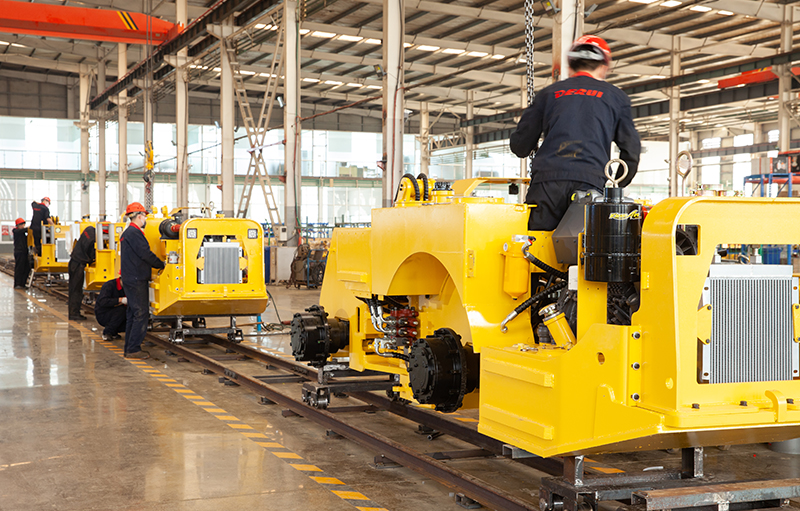
Inspect production lines, calibration records, material storage, and worker training. Review current orders, not only polished samples.
Ask for spare lists, stock locations, minimum order quantities, and dispatch times. A missing small part can stop a large machine.
Use measurable targets, such as 24-hour responses, accurate quotations, replacement lead times, and first-time resolution rates.
Match every report with the exact product specification and serial number. Copied documents can look convincing. That is risky.
No. Unclear drawings, rushed approvals, and changing specifications can also cause delays. Record each incident and review the cause.
Production statistics show capacity, not service life. I might trust impressive figures too quickly without checking field records.
China remains a major manufacturing base for Mining Tools, offering global buyers a broad selection of drills, crushers, mills, screens, and wear parts. This guide explains how to assess China’s production position alongside 2024 USGS mineral data, while focusing on practical purchasing decisions rather than simple price comparisons. Key evaluation points include total cost of ownership, material hardness, motor power, processing throughput, expected service life, maintenance requirements, and replacement-part availability.
For safer international sourcing, buyers should screen suppliers for ISO 9001 quality systems and, where relevant, CE and IECEx compliance. Export verification should cover HS codes, Incoterms, production lead times, warranty conditions, and shipping documentation. A structured checklist can further improve results through factory audits, independent test reports, spare-parts planning, and measurable service KPIs. By comparing technical performance, compliance evidence, after-sales support, and long-term operating costs, buyers can select suitable equipment for their applications and reduce avoidable procurement risks.