
Leave Your Message

Blog

What Is the Best Electric Dump Truck from China?

What Is the Best Electric Dump Truck from China?

Picking the best Electric Dump Truck from China isn't just about battery capacity or the payload number on a spec sheet. The real test shows up on rough quarry roads, steep construction sites, and in repeated load after load. A truck can look great on paper and still lose productivity when charging infrastructure is weak. And honestly, that limitation matters. SANY Group chairman Xiang Wenbo once said, “New energy is the future of construction machinery.” It’s a view that reflects a broader shift in the industry toward cleaner, quieter haulage. But the best Electric Dump Truck really depends on the job. Buyers should look at battery chemistry, usable range, charging time, motor torque, payload stability, thermal management, and after-sales support. Operating temperature matters too. A truck built for warm conditions may behave differently in cold regions. Brands like SANY, XCMG, and Zoomlion bring solid manufacturing experience and growing electric product lines. Their strengths can include intelligent monitoring, regenerative braking, reinforced frames, and centralized service networks. Still, specs need careful checking. Some published numbers come from ideal test conditions. Real-world field results may be lower. A reliable evaluation should compare warranty coverage, spare-parts availability, charger compatibility, safety certifications, and total operating cost. Demonstration testing is worth a lot. Watch the truck climb with a full load. Measure energy use per cycle. Listen for unusual drivetrain noise. Small details often reveal big differences. There’s no universal winner. The right choice comes down to verified data, local service capability, and realistic site demands. This guide looks at those factors clearly, while also recognizing that every recommendation has its limits.
Read more »
Isabella By:Isabella - October 11, 2026
How to Choose the Right Road Header for Your Project?

How to Choose the Right Road Header for Your Project?

Choosing the right Road Header can be the difference between a tunneling job that keeps moving and one that burns days underground. The machine really has to fit the rock, the tunnel profile, cutting depth, and the production rate you're aiming for. A small, compact unit might be perfect for a narrow utility tunnel, but a heavier model is usually what you need for harder ground and longer shifts. Pick wrong, and things get expensive fast. Most experienced contractors don't just look at horsepower. They dig into the cutting head design, boom reach, traction, dust suppression, visibility, and whether it plays nicely with ground support. A Road Header chewing through abrasive sandstone needs different tooling than one cutting softer claystone. So ask manufacturers for real performance data, maintenance schedules, and references from projects similar to yours. Lab numbers can help, sure, but field evidence is what really counts. And don't ignore the operator's side of things. Controls should feel practical, visibility should stay clear, and service points should be easy to reach without some risky workaround. Before you sign a purchase order, check transport limits, ventilation needs, spare-part availability, and local technical support. Even small delays can bring an entire crew to a stop. There's no single best machine out there. Not every shiny spec survives contact with real geology. A solid selection process mixes geological reports, trial cutting, lifecycle costs, and honest feedback from the people who actually run the machine. Be ready to rethink your assumptions when site conditions change. The best Road Header is the one that gives you steady, safe progress within the project's real constraints.
Read more »
Sophia By:Sophia - October 7, 2026
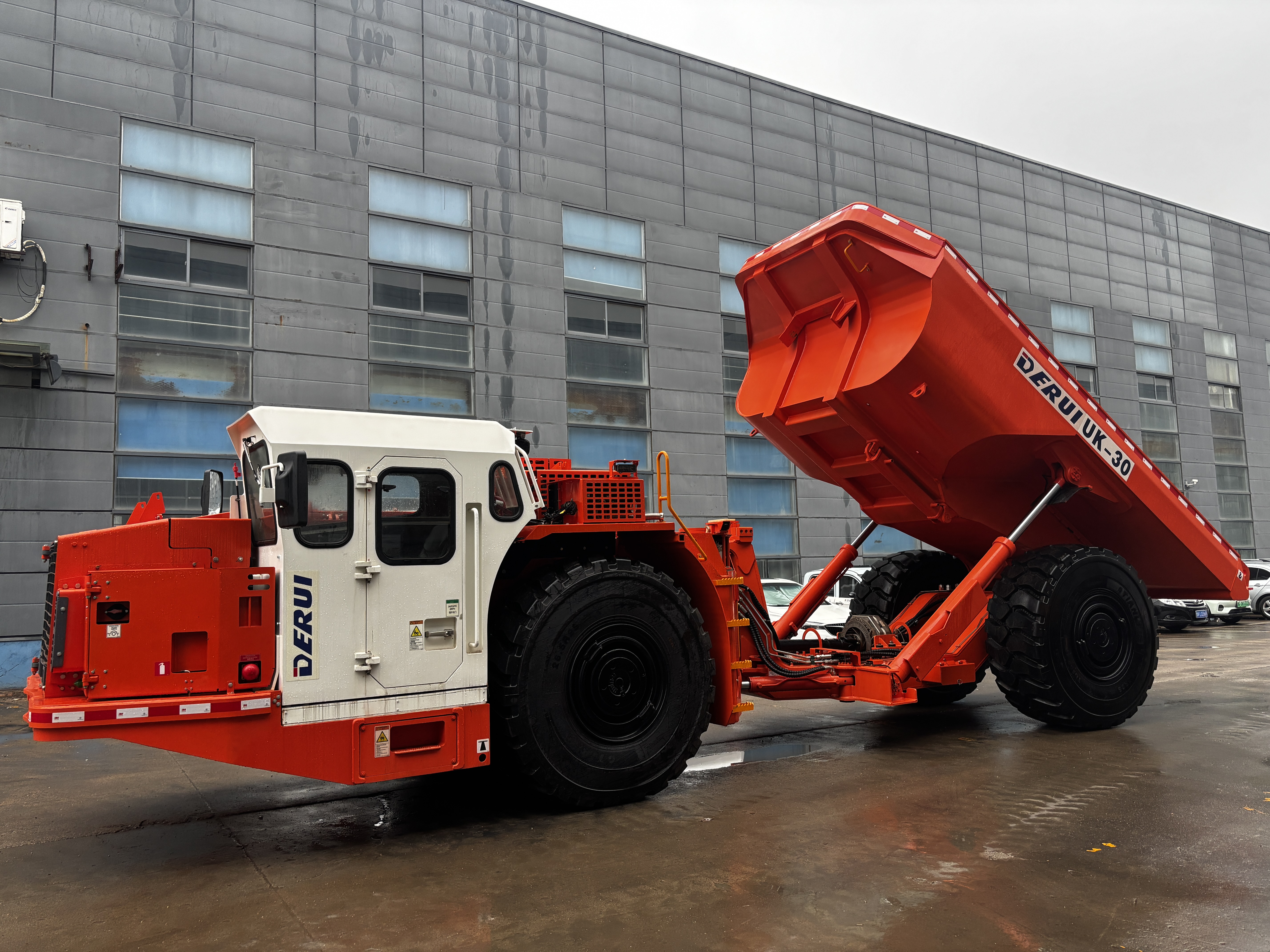
7 Best Underground Dump Trucks for Global Buyers

7 Best Underground Dump Trucks for Global Buyers

Picking the right Underground Dump Trucks can really make a big difference when it comes to boosting productivity, keeping things safe, and managing those operating costs in tough mining environments. Honestly, mine conditions are all over the map — narrow tunnels, steep ramps, wet haul roads, and limited space for maintenance. What works great in one mine might totally flop in another. This guide dives into seven top choices for buyers around the world, including models from big names like Sandvik, Epiroc, Caterpillar, Komatsu, and other trusted manufacturers. We’ll look at key factors like payload capacity, turning radius, ground clearance, how well they brake, what operators see from the cab, fuel or energy efficiency, and support services. Because let’s be real — underground, every little detail counts. A smaller truck needs to carry enough material without clogging up the tunnels, its brakes have to be reliable on those long inclines, and the cab should help operators stay fresh during those grueling twelve-hour shifts. Of course, fit really matters. No two mines are the same, and conditions can change quickly. Product specs from manufacturers give you a good starting point, but nothing beats testing things out on-site. How a truck actually performs depends on rock types, ventilation, road conditions, slope, tire choices, and how well the operators are trained. And don’t forget about maintenance and parts availability — a super powerful truck isn’t worth much if getting replacement parts takes forever because they need to ship internationally. So, the rankings here aren’t set in stone. They’re based on what most buyers care about — practical performance, technical specs, and the reputation of the manufacturers. Keep in mind, though, that after crunching the numbers on costs, some of these recommendations could change. That’s just honesty. Making a solid purchasing decision means verifying specs, checking on local support, and really understanding what your mine’s daily production goals are. It's all about finding the right balance for your specific situation.
Read more »
Ethan By:Ethan - September 30, 2026
What Is the Best Diesel Loader to Buy in 2026?

What Is the Best Diesel Loader to Buy in 2026?

Picking out the best Diesel Loader in 2026 really comes down to what you need it to do. I mean, a machine that's perfect for a farm might not be the best fit for a quarry, recycling yard, or a busy construction site. Things like how much you plan to load each day, how far it needs to travel, ground conditions, and what kind of support you're able to get all play a role in making the right choice. Sure, horsepower matters, but it’s not the whole story—it’s just one piece of the puzzle. This guide walks you through the practical stuff you should look into—stuff like rated operating capacity, different bucket options, how much fuel it consumes, visibility around the machine, the comfort of the cab, and how easy it is to get to maintenance points. Don’t just take the brochure numbers at face value. Watch how fast it can complete a load cycle, check whether the tires fit your terrain, and see if you can easily reach filters and service spots. Sometimes, those little details can make all the difference. Remember, downtime isn’t just an inconvenience—it can really add up financially. And about the price—it's not just about the sticker cost. You’ve got to think about what you'll spend on fuel, regular maintenance, parts availability, warranties, and what the machine might be worth when you're done with it. Always ask dealers for written specs and a clear service plan. If you can, try to see a working loader in action and have someone operate it with a load that mimics your typical jobs. A quick demo is helpful, but it can’t cover every season or every shift, so think of it more as a helpful hint rather than a promise. Here’s the thing—no single model is perfect for everyone. The best choice depends on your specific workload, your budget, what your operators need, and how close support is where you are. Sometimes, details are a bit fuzzy because manufacturers test under different conditions. This guide aims to help you cut down the options, but ultimately, what you choose should be based on your actual site requirements.
Read more »
Isabella By:Isabella - September 26, 2026
China Best Mining Tools Suppliers for Global Buyers?

China Best Mining Tools Suppliers for Global Buyers?

China has really stepped up as a huge manufacturing hub for global mining equipment and parts. You’ll find factories there churning out everything from drilling rigs and crushing systems to loaders, roof bolters, conveyor parts, and wear-resistant tools. But here’s the thing: what’s considered the “best” actually depends on your specific mine conditions, how capable the service support is, certifications, and the overall cost of ownership. A super-low purchase price might look tempting at first, but if spare parts take ages to arrive, it can end up costing you way more in the long run. According to Grand View Research, the worldwide market for mining equipment is growing steadily. That’s driven by deeper mines, more infrastructure projects, and a steady demand for minerals. The International Energy Agency also notes that the need for materials like lithium, copper, and nickel—those transition minerals—is on the rise. All these trends put extra pressure on suppliers to deliver **reliable** mining tools. Price tags in catalogs are nice, but what really matters is dependability. Companies like XCMG, SANY, and China Coal Group showcase China’s impressive range of industrial capabilities. Still, be aware that quality can vary quite a bit from one model or factory to another. This guide takes a practical look at China’s top suppliers using some real-world buyer considerations. We're talking about drilling precision, how long tools last, whether equipment works well together, factory audits, their experience with exports, and how responsive they are after-sales. We also look at whether they meet ISO management standards, CE requirements, and local mine safety rules. While certifications are helpful, they don’t guarantee how equipment will perform in the field—that’s something to keep in mind. Some suppliers might show off shiny certificates but lack solid service in regions like Africa, Latin America, or Central Asia. The best way to judge a supplier? Look for real evidence—technical datasheets, independent inspections, customer references, and even trial orders. Reports from Deloitte’s Tracking the Trends series highlight key priorities like boosting productivity, automation, safety, and operational resilience in mining. These are the factors shaping our recommendations here. Just keep in mind, some supplier info can change fast and not all data is complete or up-to-date. Always double-check every claim before sealing the deal—that’s just good sense.
Read more »
Sophia By:Sophia - September 23, 2026
How to Choose the Right Shuttle Car for Your Warehouse?

How to Choose the Right Shuttle Car for Your Warehouse?

Picking the right Shuttle Car can really make or break your warehouse’s speed—and it’s not just about squeezing in as much stuff as possible. Sure, storage density is a factor, but it’s also about pallet weight, how big the loads are, aisle length, how much you need to move through, temperature conditions, ease of maintenance, and what kind of growth you’re planning down the line. Sometimes a layout might look super efficient on paper, but come peak hours or busy days, the system might struggle to keep up—that’s often where the real challenges pop up. Dr. Michael ten Hompel from Fraunhofer IML hit the nail on the head with a simple but powerful idea: “Automation should serve the process, not the other way around.” It’s a good rule of thumb when you're comparing Shuttle Car options from brands like Mecalux, SSI SCHAEFER, or Daifuku. They might all boast quick cycle times, but in the real world, performance depends on things like pallet quality, how well batteries are charged, software running smoothly, and how operators get used to the system. Honestly, it’s those small details that can make all the difference. Take a cold storage warehouse—those batteries and sensors need to be built for freezing temps. Or think about a beverage distributor—sturdy rails and stable handling for heavy pallets are a must. If you’re running a high-volume e-commerce setup, you might care more about quick access than maximum storage capacity. All of these things should influence what kind of equipment you choose. It’s a smart move for warehouse managers to test realistic scenarios—like actual peaks during replenishment, dealing with blocked spots, damaged pallets, or how smoothly recovery procedures go. Also ask questions like: How easy is it for techs to reach the Shuttle Car when something’s wrong? What about spare parts, training, and how fast does service respond? These little questions can reveal weaknesses you might not see upfront. And let’s be real—there’s no such thing as a perfect system. Cheaper Shuttle Cars might save you now but end up costing more later in energy or maintenance. On the flip side, a highly automated setup might require better data management than your team is used to. It’s worth paying attention to these gaps before making any commitments—that way, you avoid surprises down the road.
Read more »
Isabella By:Isabella - September 18, 2026
10 Road Header Buying Tips for Global Buyers?

10 Road Header Buying Tips for Global Buyers?

Picking out a Road Header isn’t just about grabbing the one with the biggest cutting motor. Honestly, every project around the world is different—geology, tunnel size, power setups, regulations, and what kind of support is available can all vary greatly. So, a machine that slices through hard limestone like butter might totally struggle when faced with abrasive sandstone or mixed ground conditions. The details really do matter here. Dr. Nick Barton, who's pretty much a rock engineering legend, suggests a simple but solid rule: “The rock mass should guide your excavation method.” Before you start comparing quotes, make sure to ask for geological reports, data on how strong the rock is (like uniaxial compressive strength), abrasiveness tests, and groundwater info. Also, look at things like the cutting head design, boom reach, machine width, how much it can load, dust suppression, operator visibility, and emergency features. And don’t just go for shiny brochures—you want concrete, measurable performance figures. A trustworthy supplier should be able to give you a clear idea of the typical advance rates you can expect in similar conditions. It’s a good idea to ask for references from projects with similar tunnel sizes and rock types. Don’t forget to check their maintenance records, how long spare parts take to arrive, training support, and whether they offer remote technical help. Things like voltage, frequency, transport dimensions, and who handles commissioning should also be clarified early on—these practical issues can completely derail your project faster than a machine that’s just not powerful enough. A lot of folks tend to focus too much on the purchase price — big mistake. Over time, things like downtime, cutter replacements, fuel or electricity costs, and the need for skilled operators can end up costing way more than the initial price. Sometimes, a cheaper Road Header can turn out to be pricey if support is hard to get when you need it. But hey, no forecast is perfect: ground conditions change, and your planned production might fall short. Smart buyers leave some wiggle room for surprises, make sure to document their assumptions, and compare total ownership costs—not just the sticker price—before making a decision. Remember, the best choice isn’t necessarily the most powerful machine. It’s the one that’s most suitable, easy to support, and honestly detailed when it comes to specifications.
Read more »
Ethan By:Ethan - September 13, 2026
2026 Top Types of Loading Trucks for Global Buyers?

2026 Top Types of Loading Trucks for Global Buyers?

Picking the right top-type of Loading Trucks for 2026 isn’t just about size or engine power. It’s way more nuanced. If you're sourcing globally, you’ve got to consider what kind of equipment fits your cargo, the roads you'll drive on, the climate, the labor conditions, and how easy it is to keep the truck maintained. For example, a city distributor might prefer a small box truck with a hydraulic tail lift—it’s convenient and nimble. On the other hand, a construction company probably needs something tough, like a dump truck with reinforced suspension to handle rough terrains. Cold-chain operators, of course, need insulated bodies plus reliable refrigeration and clear temperature records to keep everything fresh. Professor Alan McKinnon, a well-respected expert in freight transport, once said, “Freight transport is a derived demand.” Basically, what that means is choosing the best Loading Truck isn’t done in a vacuum. It has to support your entire supply chain. In this guide, we’ll go over different types of trucks—box trucks, flatbeds, curtain-side trucks, dump trucks, refrigerated units, tankers, and truck-mounted cranes. We’ll look at key points like payload capacity, loading height, turning radius, fuel efficiency, safety stuff, and how easy it is to get service support. Big brands like Volvo Trucks, Daimler, Isuzu, and Hino do bring different strengths to the table across various markets, but honestly, no brand can beat putting the truck through its paces in your local conditions. Pay attention to the details—they really matter. For instance, a low loading deck can save you some serious handling time. Having a wide service network can prevent costly downtime during repairs. Using telematics might give you better route visibility, but if your drivers aren’t trained properly, those benefits kind of fall flat. And yeah, electric trucks seem like the perfect fit for city routes, but charging capacity is still a big issue in many areas—so you might need to rethink some assumptions there. There’s no one-size-fits-all winner here. Even a truck with all the bells and whistles can let you down if roads, loads, or maintenance habits change. The key is making reliable decisions based on verified specs, real-world testing, overall cost analysis, and advice from trusted distributors. This article gives you a practical way to compare leading Loading Trucks in 2026, but keep in mind—you can’t always predict exactly how they’ll perform in the real world.
Read more »
Isabella By:Isabella - September 9, 2026
2026 Best Types of Loading Trucks for Global Buyers

2026 Best Types of Loading Trucks for Global Buyers

Picking out the right loading truck isn’t just about chasing the flashiest model—honestly, it all starts with understanding your cargo, your route, and the loading environment. That's what really matters, not just a fancy badge on the side. People—whether they’re in local fleets or shipping internationally—often compare different kinds of trucks like flatbeds, box trucks, curtain-side, refrigerated units, dump trucks, or hook-lifts. Each one’s designed to handle specific kinds of loads and situations. Then, there’s the whole picture. The World Bank’s 2023 Logistics Performance Index points to things like infrastructure quality, shipment reliability, tracking systems, and overall logistics expertise as key factors impacting supply chains—and these days, that stuff really shows up at the loading dock. For example, a curtain-side truck can save some time when loading palletized goods, and refrigerated trucks are a lifesaver for keeping temperature-sensitive products safe, especially when crossing borders. Flatbeds are great for oversized or heavy items like steel or machinery. But here’s the deal—pay attention to the little things, like dock height, payload limits, axle capacity, turning radius, and whether the body and equipment match your loading needs. Looking ahead, the International Transport Forum’s Transport Outlook 2024 predicts that global freight demand will keep climbing through 2050. So, you'll want trucks that can handle your current workload and also scale up as you grow. Also, the International Energy Agency reports that electric trucks are gaining more ground globally—big in China, for instance—but diesel still plays a huge role, especially for long hauls and areas where charging stations are scarce. And let’s not forget, having good local service support and parts availability isn’t an option—it’s a necessity. This guide looks at the best loading trucks across different markets, freight types, and operating conditions. I’ve included things like payload capacity, body design, fuel options, maintenance needs, safety features, and the overall cost of ownership. Honestly, there’s no one-size-fits-all answer. I personally tend to favor flexible truck bodies, but that might not work for everyone. Plus, some fleets underestimate how important driver training and proper loading discipline really are. Skimping on those areas can wipe out the benefits of even the nicest, most expensive trucks. To get it right, you’ve got to perform thorough technical inspections, verify suppliers, and crunch the numbers on route data before you place any orders—that’s how you make sure you’re making smart choices.
Read more »
Sophia By:Sophia - September 6, 2026
Best Shuttle Car Models for 2026 Are You Ready to Buy?

Best Shuttle Car Models for 2026 Are You Ready to Buy?

In the fast-changing world of mining tech, Shuttle Cars have really become a must-have for moving materials efficiently. Industry insider John Smith from Mining Innovations Inc. puts it simply: 'The right Shuttle Car can seriously boost your operational efficiency.' Looking ahead to 2026, we've got some pretty exciting models on the horizon, each promising better safety and higher productivity. Thanks to new designs and automation features, Shuttle Cars are getting a serious upgrade. Many are now equipped with smart tracking systems that let you monitor things in real-time. These tech improvements mean fewer accidents and less downtime—sounds great, right? But with all these fancy features, it’s natural to wonder: are operators really ready for this new level of complexity? Picking out the right Shuttle Car isn’t exactly a walk in the park. It’s a big decision, and you’ve gotta think carefully about what you actually need. Things like capacity, performance, and the environment where it’ll be used all matter. It’s not just about grabbing the newest model—it's about finding the one that really fits your operation. As we look toward the future, we’re reminded that even though progress is exciting, it comes with its own set of challenges. All in all, staying up-to-date and making smart choices is key as this industry keeps evolving. It’s an ongoing process, but one that can really pay off when you find the right equipment for the job.
Read more »
Isabella By:Isabella - August 22, 2026
Top Underground Dump Trucks for Efficient Mining Operations?

Top Underground Dump Trucks for Efficient Mining Operations?

When it comes to mining, having the latest and greatest machinery can honestly make a huge difference. One of the real game-changers is the Underground Dump Trucks. These trucks are built to move materials quickly and safely, even in tight spaces underground. From what I've seen, mining companies that get the right dump trucks in place can boost their productivity by up to 30%. That's a pretty big deal, right? Leading brands like Caterpillar and Komatsu have rolled out some pretty cool new models, with better load capacities and easier maneuverability. Take the Caterpillar AD63, for example — it can carry up to 63 tons, which is pretty impressive for underground work. And it’s not just about the equipment itself; according to some recent market reports, the global underground mining equipment market is expected to hit around $29 billion by 2026. That shows just how much demand there is for reliable, efficient machinery. That said, picking the right dump truck isn’t always straightforward. Things like maintenance costs, durability, and whether the truck can handle different mining conditions all come into play. Some operators have mentioned issues with truck stability on rough, uneven terrain — which is a pretty common challenge. So, it’s clear that there’s always room for improvement in design and technology. Figuring out how to overcome these hurdles is key if we really want to maximize productivity underground.
Read more »
Ethan By:Ethan - August 17, 2026